What Is a Vegan Cutting Diet Plan? Unveiled and Explained
Ever tried to cut calories without losing all your energy?
A vegan cutting diet plan might be your next best friend. It’s not about starving yourself or guessing portions at random—it’s about smart choices, enough protein to keep muscles, and meals that actually taste good.
Let’s break down how to trim down on a vegan path without turning into a hangry cookie monster.
What a vegan cutting diet actually means
When people hear “cutting,” they think scowling at salad bowls and measuring every crumb, but it’s really about creating a slight calorie deficit while preserving lean mass and performance.
On a vegan plan, you lean on plant proteins, fiber-rich carbs, and healthy fats to fuel workouts and daily life.
– You’ll aim for a modest calorie deficit, not a crash diet.
– Protein remains king to protect muscle.
– Carbs stay smart—timed around workouts for energy.
– Fat is your friend for hormones and satiety.
Key takeaway: cutting isn’t about eating less of everything; it’s about eating smarter. FYI, consistency beats heroic, one-off diet crashes every time.
Protein: the MVP on a vegan cut
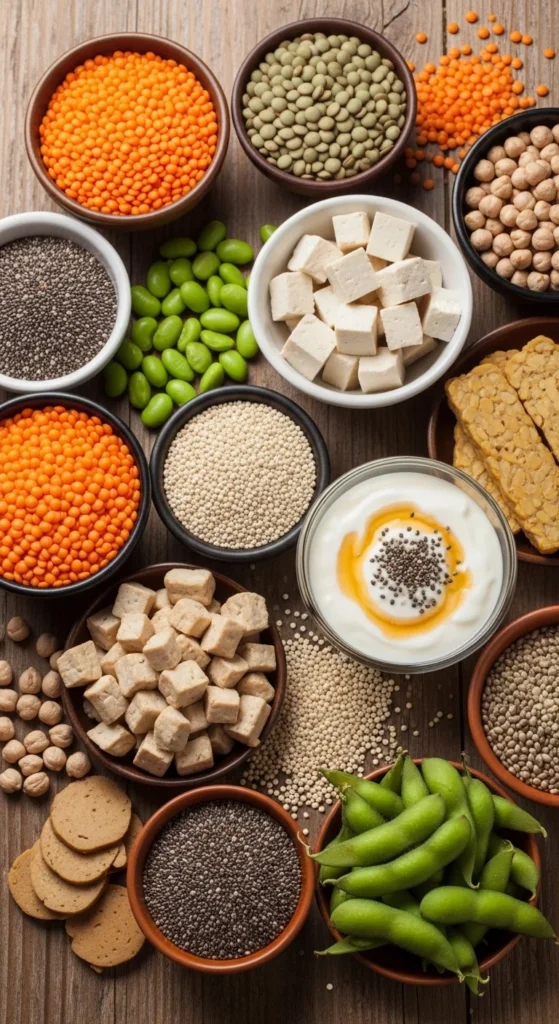
Protein becomes even more crucial when you’re in a deficit. Plant proteins can be a little trickier to hit, but you have plenty of options.
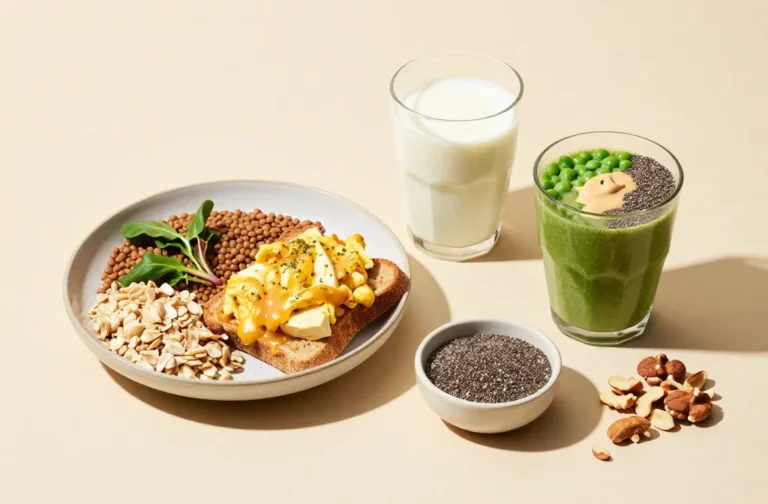
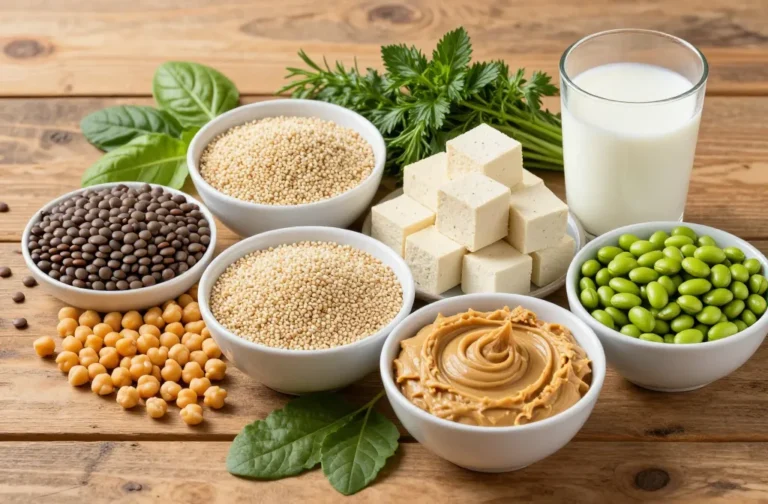
– Good sources: lentils, chickpeas, tofu, tempeh, seitan, edamame, quinoa, chia seeds, hemp seeds, and soy yogurt.
– Aim for roughly 1.6–2.2 grams of protein per kilogram of body weight per day, depending on activity level and goals.
– Distribute protein across meals to optimize muscle protein synthesis.
Protein timing and combos
– Combine complementary proteins when meals don’t have all essential amino acids (a classic example is rice and beans).
– A post-workout protein dose of 20–40 grams helps drive recovery, even on vegan diets.
– Don’t obsess over perfect timing; just get adequate protein across the day and post-workout.
Calories, tracking, and staying sane
Cutting calories doesn’t have to mean misery. It’s about a reasonable deficit and sustainable habits.
– Start with a modest deficit (250–500 calories per day) and reassess every few weeks.
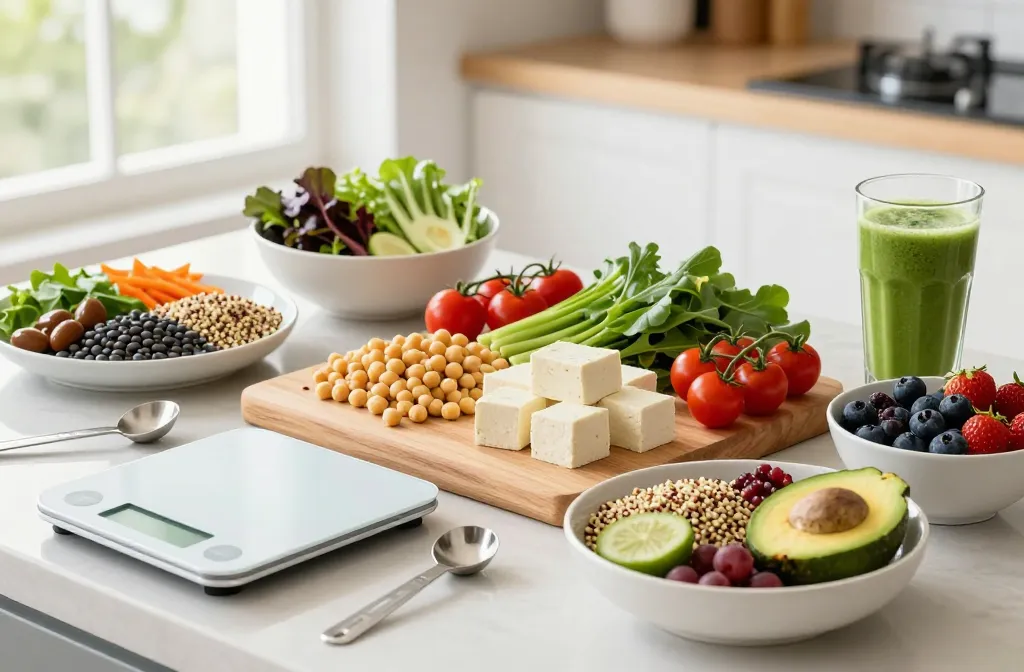
– Track what matters: protein, total calories, and fiber. The rest can be flexible.
– Use whole foods as the base, then fill gaps with fortified options or smaller indulgences so you don’t feel deprived.
- Set a realistic target: 0.5–1% body weight per week can be a healthier pace.
- Prioritize high-fiber foods to help satiety (beans, vegetables, whole grains).
- Hydration matters—sometimes thirst masquerades as hunger.
Carbs and timing: fueling your workouts
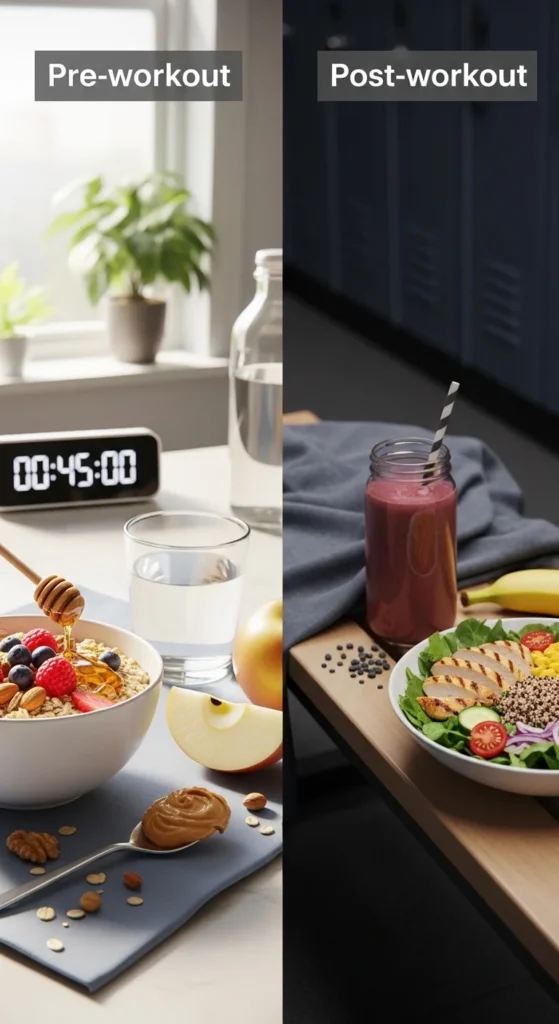
Carbs aren’t the villain; they’re your energy source. On a cutting plan, you just tune how and when you use them.
– Pre-workout: a grain-based or fruit-heavy snack 30–60 minutes before can boost performance.
– Post-workout: pair carbs with protein to replenish glycogen and kickstart recovery.
– Fiber balance: don’t slam in 60 grams of fiber in one meal; ease in to avoid GI drama.
If you train in the afternoon, you may benefit from a slightly higher carb intake on training days and modestly lower carbs on rest days. FYI, listening to your gut helps here more than any chart.
Fats: thyroid-level importance without the extra baggage
Healthy fats keep hormones humming and keep you full. They’re also calorie-dense, so you don’t want to go overboard.
– Favor sources: avocados, nuts, seeds, olive oil, and fatty fish alternatives like algae-based omega-3s.
– Target roughly 0.5–1 gram per kilogram of body weight per day, adjusted for energy needs.
– Don’t fear fat; fear empty calories masquerading as snacks.
Micros and fortification: the hidden workhorses
Vegan diets can leave gaps, especially with cutting where you might miss out certain nutrients.
– Vitamin B12: supplement or fortified foods. This one’s non-negotiable for long-term vegans.
– Vitamin D: especially in less sun-heavy climates; consider a supplement or fortified foods.
– Iron: Pair plant iron with vitamin C to boost absorption; include legumes and leafy greens regularly.
– Calcium and iodine: keep an eye on dairy-free sources or fortified products, plus iodized salt.
– Omega-3s: Consider algae-based DHA/EPA supplements if you’re not eating fatty fish.
Meal ideas that actually satisfy
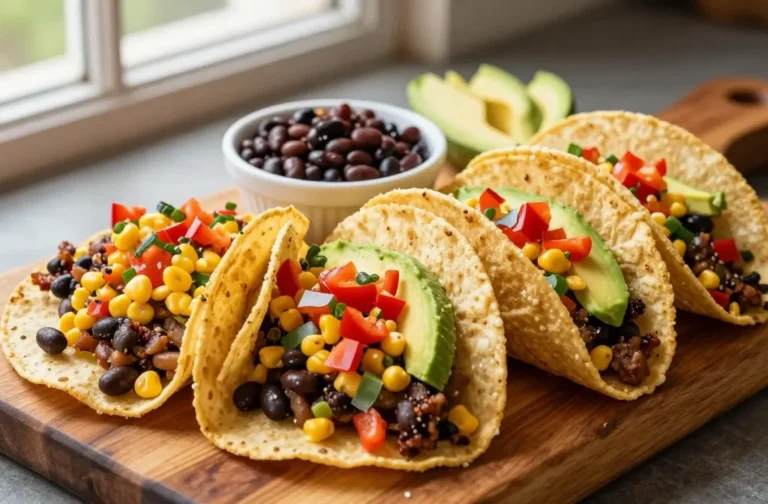
You don’t have to eat boring salads forever. Here are some flexible, tasty options to keep you on track.
– Breakfast: tofu scramble with veggies and whole-grain toast; or overnight oats with chia seeds and berries.
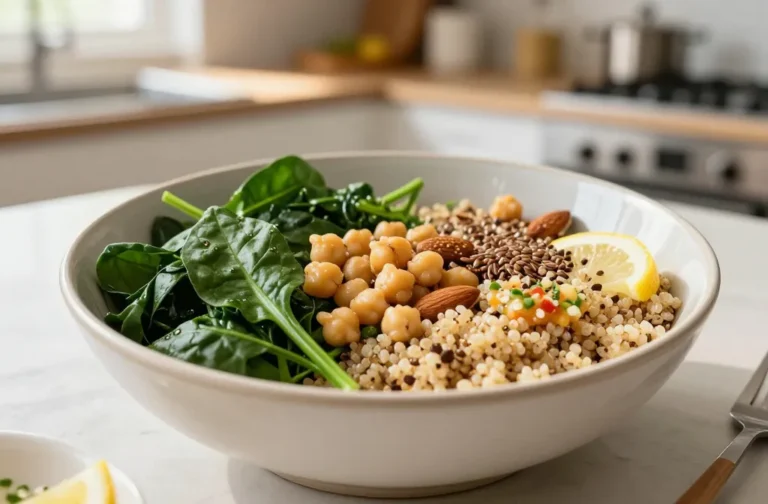
– Lunch: lentil and quinoa bowl with roasted veggies and tahini drizzle.
– Dinner: tempeh stir-fry with brown rice and a colorful veggie medley.
– Snacks: hummus with veggie sticks, a fruit with a handful of almonds, or a protein smoothie with fortified plant milk.
– Quick win: batch-cook a big pot of beans or lentils on Sundays. Easy, flexible, feeding up to the week.
Tracking without losing your mind
You can track without turning your life into a spreadsheet nightmare.
– Use a simple app or notebook to log protein, calories, and fiber mainly.
– Don’t micromanage every single bite; aim for consistency over perfection.
– Look for trends, not drama: if energy dips persist, adjust carbs around workouts; if waking up heavy, recheck late-night snacking.
Common pitfalls to avoid
– Skipping meals and then binging later—fuel consistently.
– Relying on ultra-processed vegan junk—save those for celebratory occasions.
– Neglecting salt and electrolytes during workouts—especially on hot days.
Conclusion
A vegan cutting plan isn’t about deprivation; it’s about smart planning, enough protein, and meals that don’t taste like punishment.
If you want to keep your gains, energy, and sanity, focus on protein, a sensible calorie deficit, smart carb timing, and tasty, whole-food meals.
With a little structure and some playful experimentation, you’ll trim down without losing your vibe.
FAQ
What exactly is a vegan cutting diet?
A vegan cutting diet is a plan to reduce body fat while maintaining muscle on a vegan eating pattern.
It centers on adequate protein, a modest calorie deficit, balanced carbs around workouts, and healthy fats, with attention to micronutrients that vegans sometimes miss.
Can I still build muscle on a vegan cut?
Yes. You need sufficient protein, a reasonable calorie ceiling, and progressive resistance training. Aim for 1.6–2.2 g of protein per kilogram of body weight daily, spread across meals, and keep workouts challenging.
Do I have to count calories to succeed?
Not necessarily. Most people start with a rough plan and adjust based on progress. If you enjoy data, tracking calories and protein for a few weeks helps you learn your true needs.
If not, measure progress by energy, performance, and how clothes fit, and trust your instincts a bit.
Are protein powders vegan?
Yep. There are many vegan protein powders (pea, rice, soy, hemp, blends). They can help you hit daily protein targets, especially around workouts.
Check for added ingredients you don’t want and any potential allergens.
What about B12 and other nutrients?
B12 is essential for vegans and should be taken as a supplement or via fortified foods. Keep an eye on iron, vitamin D, calcium, iodine, and omega-3s.
If you’re unsure, a quick chat with a registered dietitian can save a lot of guesswork.