What Does 100g of Vegan Protein Look Like in a Day? the Ultimate Guide
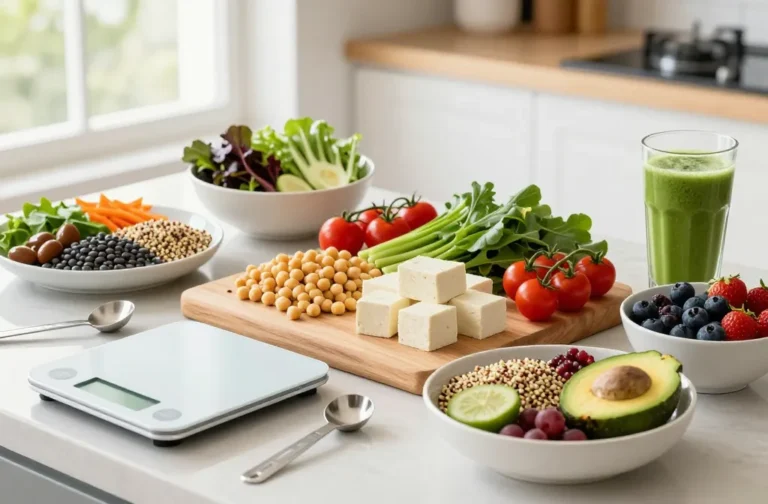
If you’re chasing 100g of vegan protein in a day, you’re basically assembling a protein puzzle with tasty pieces.
It’s doable, it’s practical, and yes, you’ll probably learn something new along the way.
Let’s map out what a day of plant-powered protein looks like without turning into a science lecture.
What 100g of vegan protein actually looks like in a day
You don’t need to sacrifice flavor or texture to hit 100g. It’s about smart choices across meals and snacks. Think protein-dense staples, smart combos, and a little planning. Ready to see the lineup?
Breakfast: start strong with plant-packed fuels
A solid vegan breakfast can set the tone for the day. You want protein that sticks around, not just a quick sip that vanishes by mid-morning.
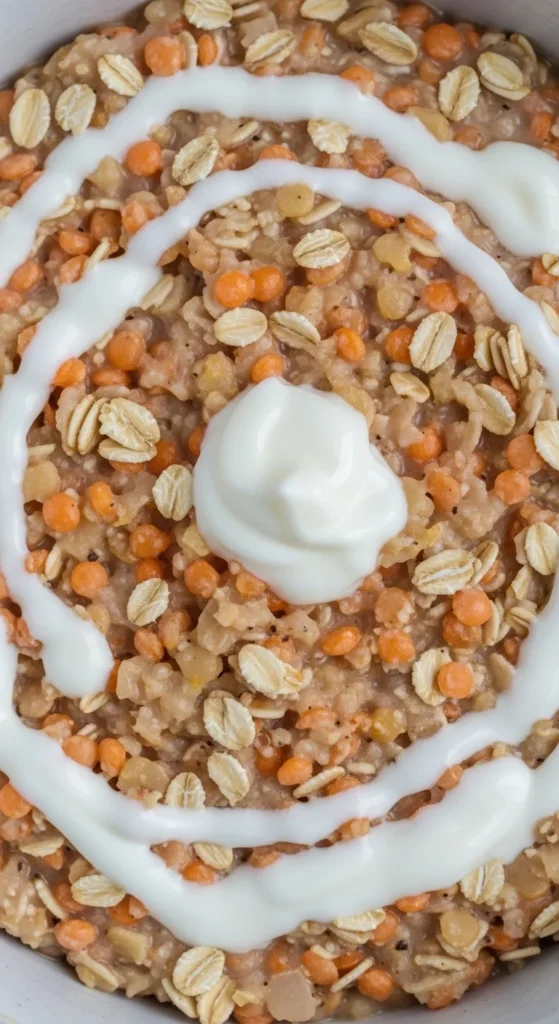
- Overnight oats with lentils? Crazy but true. Mix rolled oats, fortified soy yogurt, and cooked red lentils for a creamy kick.
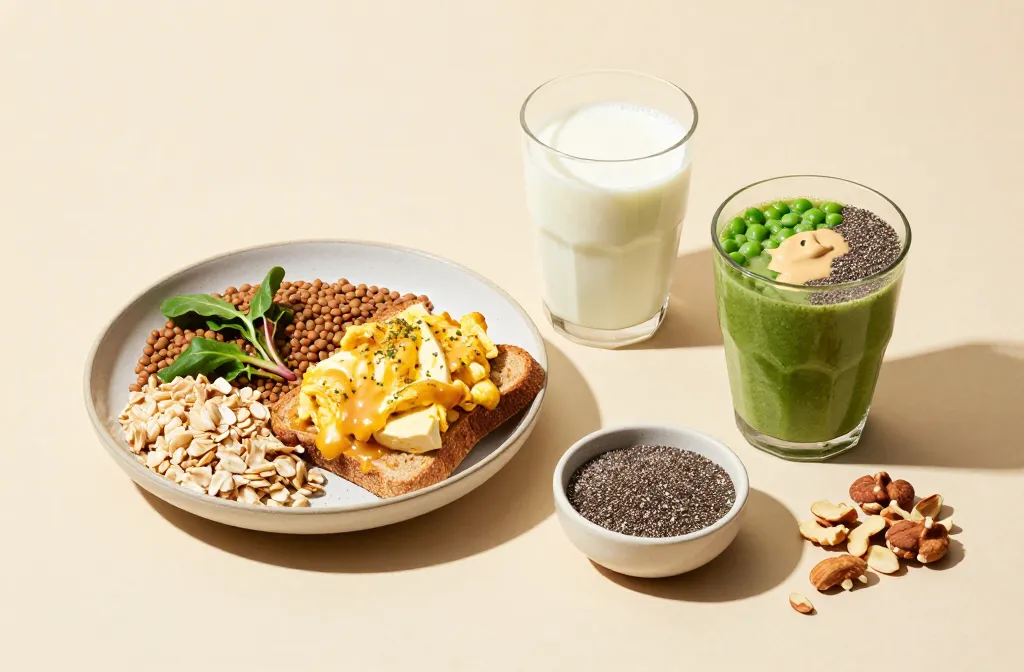
- Silky tofu scramble with veggies and whole-grain toast. About 20–25g of protein for a hearty plate.
- Protein-packed smoothie: pea protein (20–25g), a tablespoon of almond butter, chia seeds, and fortified plant milk. Bulk up with spinach for micronutrients.
Quick tip: diversify protein sources early
Starting with at least two protein sources keeps amino acids balanced and prevents cravings for questionable breakfast pastries later. FYI, soy, peas, and lentils are your friends here.
Lunch: make it a protein powerhouse
Lunch is where you can lean into legumes, whole grains, and a little tofu magic. You’ll want something that travels well, too, in case you’re on the go.
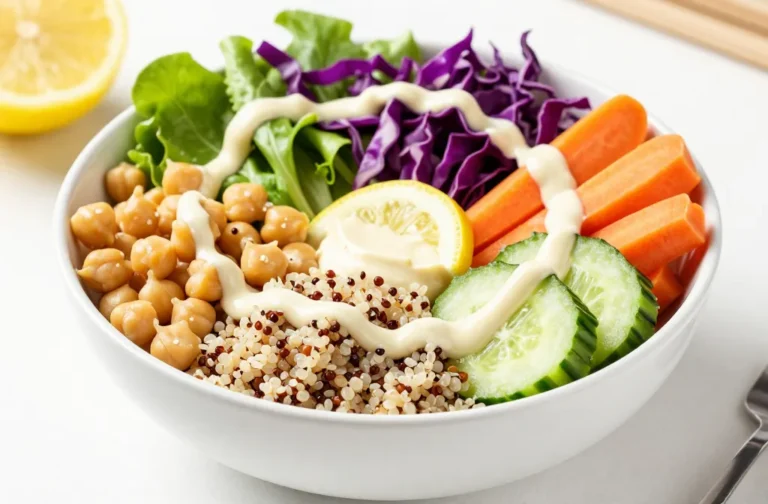
- Buddha bowl with quinoa, chickpeas, roasted veggies, and tahini drizzle. Expect ~25–30g protein depending on portions.
- Chickpea or lentil-based wrap with a generous smear of hummus and leafy greens. Aim for 20–25g per wrap.
- Tempeh stir-fry over brown rice with broccoli and bell peppers. Tempeh is protein-dense; you’ll easily hit 25–30g.
Rice, beans, and greens: the holy trinity
Combining a grain with a legume (like rice and beans) gives a complete amino acid profile. It’s not a myth—it’s practical protein math that tastes good.
Dessertable protein: snack on the go
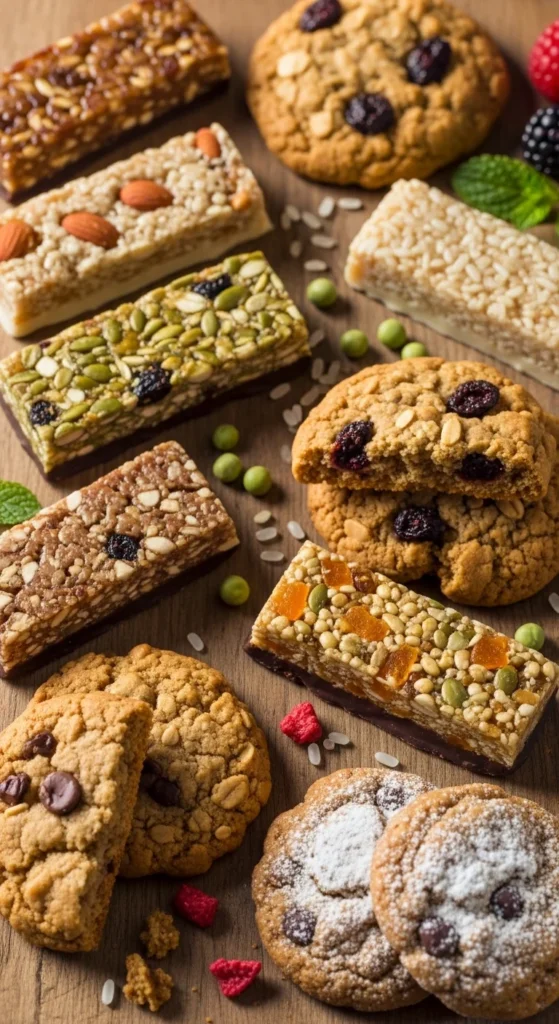
Snacks can push you over the finish line if you’re hovering around the 80–90g range by afternoon.
- Protein bars or cookies made with pea or rice protein. Look for at least 15–20g per bar, with modest sugar.
- Edamame or roasted chickpeas: ~12–15g per cup, plus fiber for staying power.
- Nut butter + oat crackers or a smoothie in a travel cup. Pair with a small handful of almonds for an extra protein kick.
Dinner: round out the day with a robust protein pick
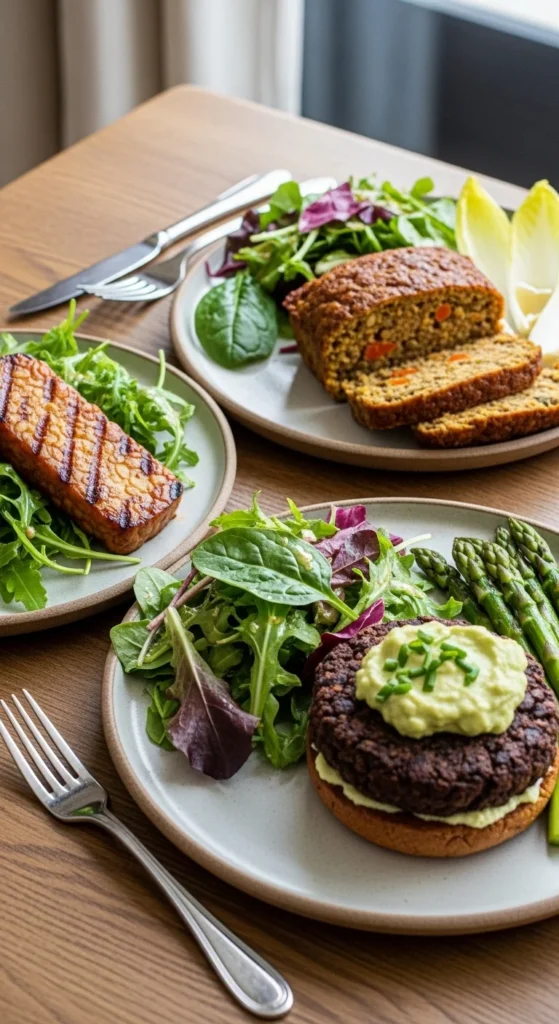
Dinner is your last big protein push. Keep portions reasonable, but don’t skimp on flavor or texture.
- Seared tempeh, lentil loaf, or black bean burgers with a side of greens. Expect ~25–35g depending on portion.
- Seitan stir-fry with vegetables. Seitan can be a protein beast, often landing around 25–30g per serving.
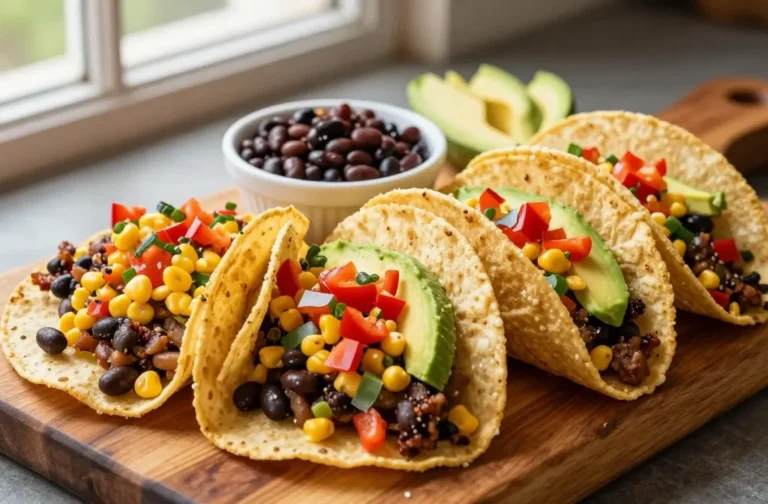
- Quinoa and white bean bowl with avocado and salsa. Finish strong with ~20–25g.
Pro tip: density matters
If you’re struggling to hit 100g, lean into high-protein staples at dinner. It’s the most reliable single-meal boost without turning dinner into a science fair project.
Hydration and protein timing: the unsung duo
Protein isn’t just about total grams; when you spread it matters too. Your body processes protein best in regular bursts rather than one giant spike.
- Aim for ~20–30g per main meal if you’re lifting or athletic, and add 10–20g per snack if you’re chasing a higher target.
- Spread protein roughly every 3–4 hours. It helps with satiety and muscle repair, especially if you’re active.
- Hydration matters. Water supports digestion and protein transport, so sip regularly.
Common myths about vegan protein, debunked
Let’s clear up the noise that sometimes clogs the feed.
Myth: You can’t hit 100g without supplements
Reality: You absolutely can with thoughtful planning. Whole foods plus fortified options can cover your bases.
Myth: Plant protein is inferior for muscles
Reality: Most people don’t need perfect amino-acid perfection every day. A variety of complete and complementary proteins across meals does the job for most active folks.
Myth: It’s expensive
Reality: It can be, if you chase exotic ingredients. Staples like lentils, beans, oats, tofu, tempeh, and frozen vegetables are affordable and protein-dense.
What a practical day looks like: a sample plan
Here’s a real-world blueprint you can steal (or adapt) to hit ~100g without feeling like a chore.
- Breakfast: Smoothie with pea protein (25g), spinach, frozen berries, and fortified plant milk. 1 slice whole-grain toast with peanut butter adds ~8–10g.
- Snack: Edamame + a small handful of almonds (~15g protein by now).
- Lunch: Quinoa-chickpea bowl with tahini drizzle (~30g).
- Snack: Hummus with carrot sticks and whole-grain crackers (~10–15g).
- Dinner: Tempeh stir-fry over brown rice with broccoli (~25–30g).
Total: around 110–125g, depending on portions and protein choices. Not dramatic, just deliberate.
If you’re vegan and active: tailoring to workouts
Athletes or folks lifting regularly may need extra protein around workouts. A post-workout shake with 20–30g protein can aid recovery. If you’re lifting early, a light snack pre-workout plus a solid post-workout meal keeps you fueled and not grumpy.
Post-workout ideas
– A pea protein shake with a banana.
– A lentil or bean-based chili with a side of grain.
– Tofu or tempeh bowl with quick-pickled veggies.
Conclusion: it’s totally doable, and you’ll feel great
Hitting 100g of vegan protein in a day isn’t a mystical achievement; it’s a matter of mixing protein-rich foods across meals and snacks.
You get flavor variety, you avoid the protein fatigue, and you still have room for treats. IMO, it’s all about planning without turning your kitchen into a lab.
FAQ
How quickly can I reach 100g if I start today?
If you’re consistent and build meals around 25–30g per meal, you’ll be there by dinner or the next day with a smart snack or two. It’s all about hitting that protein cadence.
Which vegan foods are the most protein-dense?
– Legumes: lentils, chickpeas, black beans
– Whole soy products: tofu, tempeh, edamame
– Seitan (gluten-based, high in protein for non-gluten-sensitive folks)
– Whole grains and pseudo-grains: quinoa, barley, amaranth
– Plant-based protein powders: pea, rice, soy blends
Do I need to combine proteins at every meal?
Nope. The idea of perfect one-meal amino acid pairing is outdated. A variety of proteins across meals adds up to a complete profile over the day.
Can I hit 100g on a budget?
Definitely. Rely on affordable staples like lentils, beans, oats, peanut butter, and tofu. Buy in bulk, plan meals, and use canned beans when time is tight.
What if I’m not a big fan of tofu or tempeh?
You’ve got options: chickpeas, lentils, edamame, seitan, hemp seeds, almonds, chia seeds, and protein powders can fill the gaps. Get creative with your spices and textures to keep things exciting.
Is supplementing with protein powder necessary?
Not strictly necessary, but it can simplify hitting targets on busy days or after workouts. If you enjoy shakes, choose a minimally processed option with clear ingredients and avoid excess sugar.
If you want, tell me about your current meals or foods you hate, and I’ll tailor a 1-day plan to your tastes and schedule.