What Are the Cheapest Vegan Protein Sources for Beginners? Revealed
If you’re trying to eat more plants without blowing your budget, you’ve landed in a sweet spot. Cheap vegan protein isn’t a unicorn—it’s a pantry staple you can actually afford.
Let’s cut the guesswork and map out the best starter options that won’t intimidate your wallet or your taste buds.
Why cheap vegan protein matters (and why you should care)
Protein is the building block of everything from muscles to mood. But when you’re new to vegan eating, you might assume meatless equals expensive.
Not true.
The right staples can stretch a dollar, reduce your grocery bill, and keep you full for hours. FYI, you don’t have to be fancy about it—practical, reliable sources get the job done.
Legumes: the OGs of affordable protein
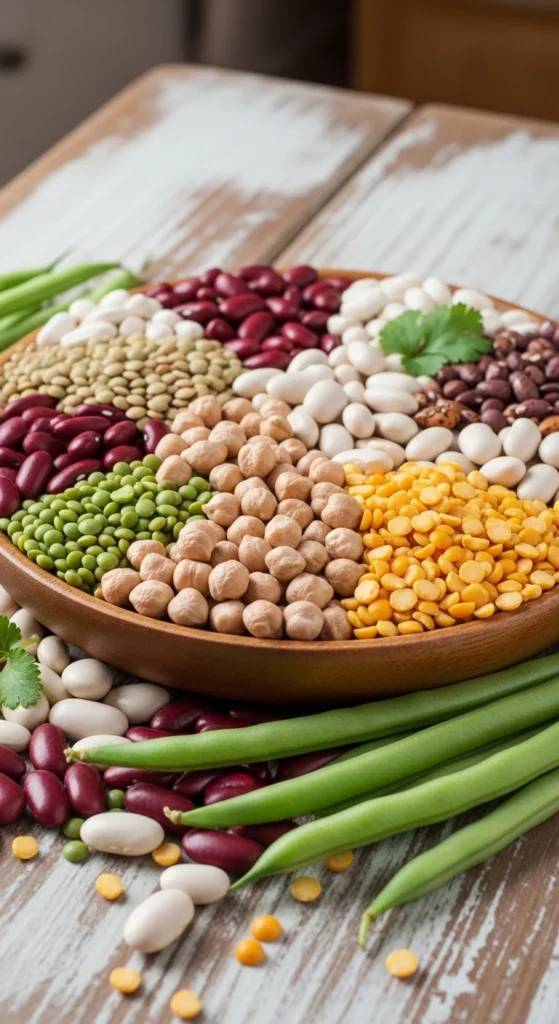
Legumes are the unsung heroes of budget-friendly vegan protein. They’re cheap, versatile, and surprisingly satisfying.
- Lentils (brown or green) cook quickly and don’t demand a soak. Red lentils disappear into soups and curries, becoming almost creamy.
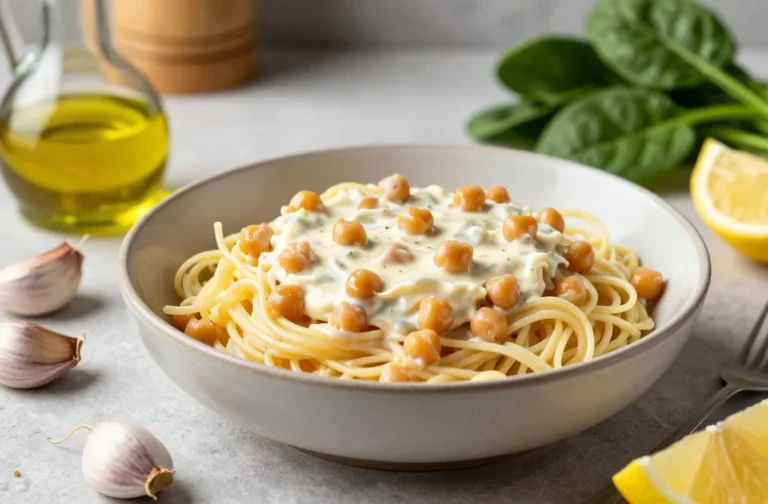
- Chickpeas jump into a million dishes—from hummus to stews to salads. A bag goes a long way.
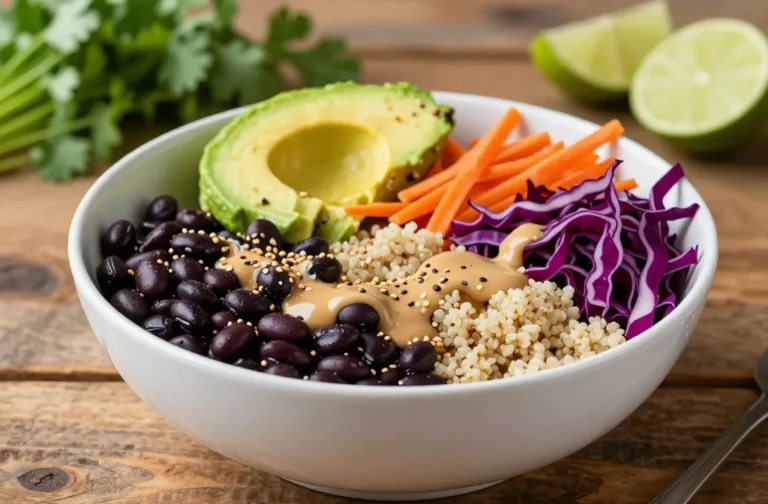
- Beans (black beans, pinto, cannellini) are pantry workhorses. They mellow out spicy sauces or anchor a hearty bowl.
How to use legumes like a pro
– Batch-cook on weekends and freeze in portions. Your future self will thank you.
– Rinse canned beans to cut the sodium without losing flavor.
– Combine with grains to hit all essential amino acids and feel full longer.
Grains that pack a protein punch
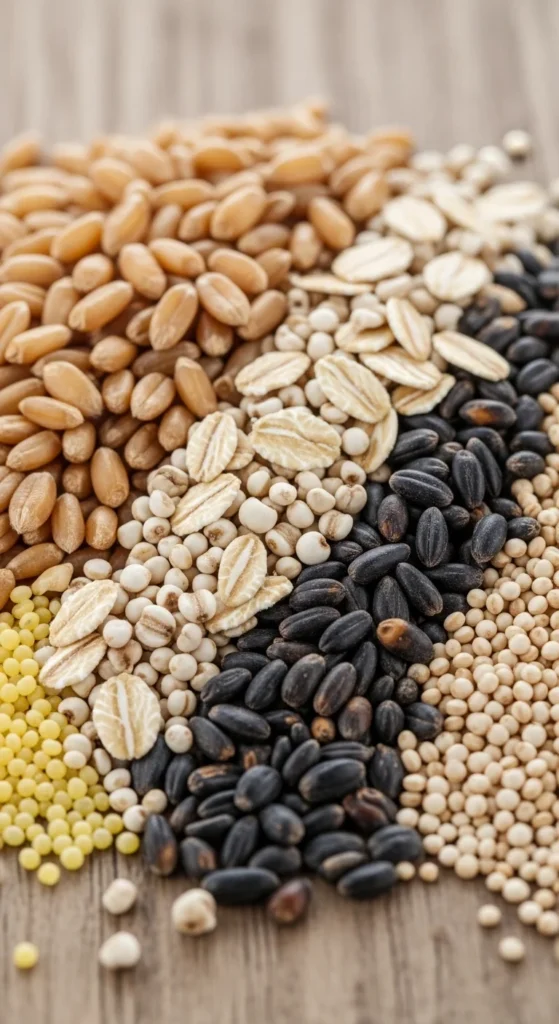
Grains aren’t just carb sources; some punch above their weight protein-wise and fill you up with texture and heartiness.
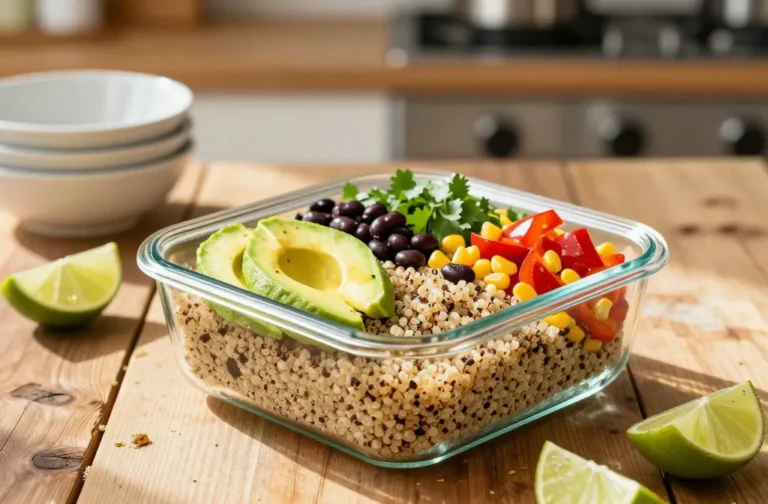
- Quinoa isn’t the cheapest option, but it’s a complete protein, handy for bowls and pilafs.
- Barley and bulgur add chew and fiber, with decent protein counts and wallet-friendly prices.
- Brown rice is a staple that pairs with any legume for a cheap, complete-meal vibe.
Cheap swap tips
– Mix beans with brown rice or quinoa to boost protein quality.
– Use barley for soups to thicken and add protein without blowing your budget.
– Cook in large batches and freeze for quick weeknight bowls.
Seitan, tofu, and tempeh: cheaper paths if you’re smart

Protein dreams need a little variety, and these soy-based heroes can be budget-friendly if you shop smart.
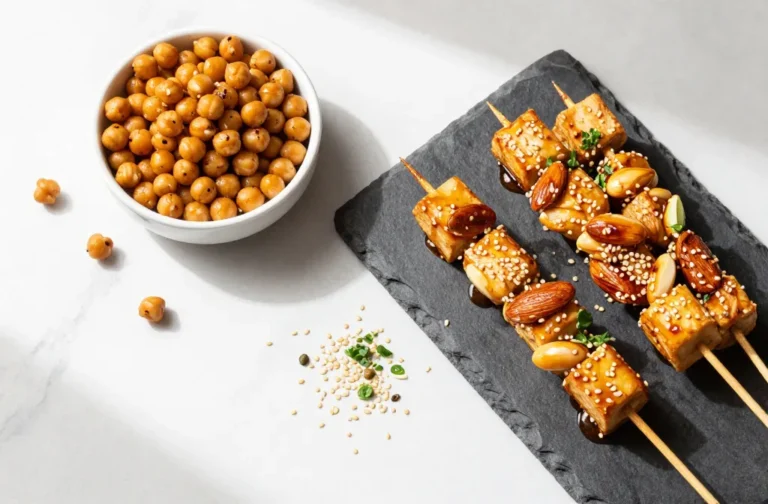
- Tofu is often cheapest and endlessly adaptable. Press, marinate, cook hot, and you’ve got a solid protein base.
- Tempeh has a nuttier flavor and sturdy texture—great in stir-fries or sandwiches. It can be pricier, so watch sales.
- Seitan is protein-dense but often higher in gluten; it shines in quick, meaty dishes. Look for sales or make your own with vital wheat gluten to save bucks.
Smart shopping for soy products
– Check store-brand options—they’re often cheaper than big-name labels.
– Buy in bulk where possible, especially tofu and tempeh blocks.
– Freeze extra blocks to extend freshness; texture holds up pretty well.
Pea protein and other budget-friendly powders
If you’re into smoothies or adding protein to meals, powders can be a cost-efficient way to boost intake.
- Pea protein is popular, low-allergen, and blends well in shakes, oatmeal, or baked goods.
- Soy or rice blends can help you hit the protein target without overspending.
- Look for value-sized containers and check for fillers—keep it simple and clean for the best bang for your buck.
DIY protein boost ideas
– Stir a scoop into overnight oats for staying power.
– Bake protein bars at home instead of buying pricey store versions.
– Add a teaspoon to tomato sauce or chili to improve nutrition without a weird aftertaste.
Nuts, seeds, and spreads: tiny packages, big impact
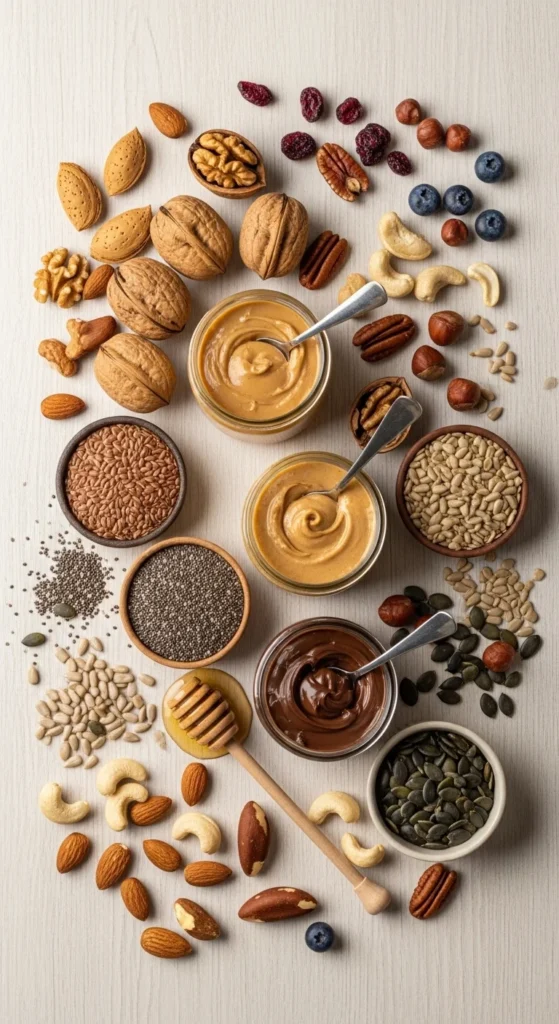
Protein isn’t all about large quantities; a little goes a long way with smart picks.
- Peanuts and peanut butter are cheap, flavorful, and versatile—slap them on toast, toss them into sauces, or blend them into smoothies.
- Sunflower seeds and pumpkin seeds offer protein and minerals, still friendly on the budget when bought in bulk.
- Chia and flaxseeds add fiber and omega-3s; they starch up smoothies or puddings and don’t cost a fortune in bulk.
How to maximize value with nuts and seeds
– Buy in bulk, store in a cool, dark place to extend freshness.
– Use seeds as toppings to add protein without a big price tag.
– Make your own nut butters instead of buying premium jars. It’s surprisingly easy.
Smart meal planning: put it all together without breaking the bank
Now that you know the cheap protein players, here’s how to assemble meals that stick to budget and taste fantastic.
- Base your bowls on a grain + legume combo. Think lentil + quinoa or chickpeas + brown rice.
- Add a veggie rainbow for micronutrients and fiber to fill you up.
- Season well. A good sauce or spice blend makes boring meals shine, and you don’t need expensive ingredients to do it.
Simple starter recipes to try this week
– Lentil curry with brown rice and spinach.
– Chickpea salad bowls with quinoa, cucumber, tomatoes, and lemon-tapenade dressing.
– Tofu stir-fry with barley and mixed veggies in a soy-ginger glaze.
Mindful shopping and cost-saving tricks
Being cheap about protein doesn’t mean starving your taste buds. It means playing the long game and shopping smarter.
- Shop sales and stock up on staples when they’re cheap. Canned beans and lentils are often on sale.
- Cook in bulk. A big pot of chili or lentil soup lasts all week and freezes well for later.
- Keep a running list of go-to proteins so you never underestimate what you already have.
Conclusion
You don’t need to build a vegan empire to get solid protein on a budget. Start with legumes and grains, mix in tofu or tempeh when it makes sense, and don’t sleep on seeds and nuts as tiny but mighty helpers.
With a little planning, you’ll eat well, feel full, and keep more dollars in your wallet for the fun stuff—like fancy spices or a dessert you actually want.
FAQ
What’s the absolute cheapest vegan protein source?
Beans and lentils usually crown the budget-friendly throne. They’re affordable, versatile, and you can buy them dry in bulk or canned for convenience.
Do I need to combine foods to get complete proteins?
Nope. Most vegan eaters don’t need to sweat the perfect 1:1 amino acid ratio at every meal. As long as you eat a variety over the day, you’ll cover all amino acids.
How can I make tofu more affordable?
Buy in bulk, press and marinate it for flavor, and use it across multiple meals. Look for sales, and don’t be afraid to freeze extra blocks when prices dip.
Are there grocery hacks that actually save money?
Yes. Buy store brands, batch-cook, stock up on sales, and keep a simple pantry list so you don’t impulse-buy pricey items. FYI, planning beats panic shopping every time.
Can I get enough protein from just plants?
Absolutely. A well-rounded vegan diet that includes a variety of legumes, grains, nuts, seeds, and soy products easily meets daily protein needs for most people.
If you’re an athlete or have special needs, a quick chat with a dietitian can tailor things for you.