What Are Complete Protein Sources for Vegans? Easy Wins
You don’t need a background in nutrition to figure out vegan protein. You just need to know which foods actually cover all the bases, and how to mix them without turning meals into science experiments.
Let’s cut to the chase: complete plant protein sources for vegans are totally doable, tasty, and not a headache.
What “complete protein” even means, fast
A complete protein has all nine essential amino acids in enough amounts to support your body. Think of them as the building blocks your muscles, skin, and immune system lean on.
Animal products usually cover this naturally; plants? not always. But there are plenty of vegan options that do.
- Whole foods can shine on their own.
- Pairs can do the trick when a single food isn’t complete.
- Supplements exist, but you can absolutely get by without them if you plan.
Soy: the old faithful
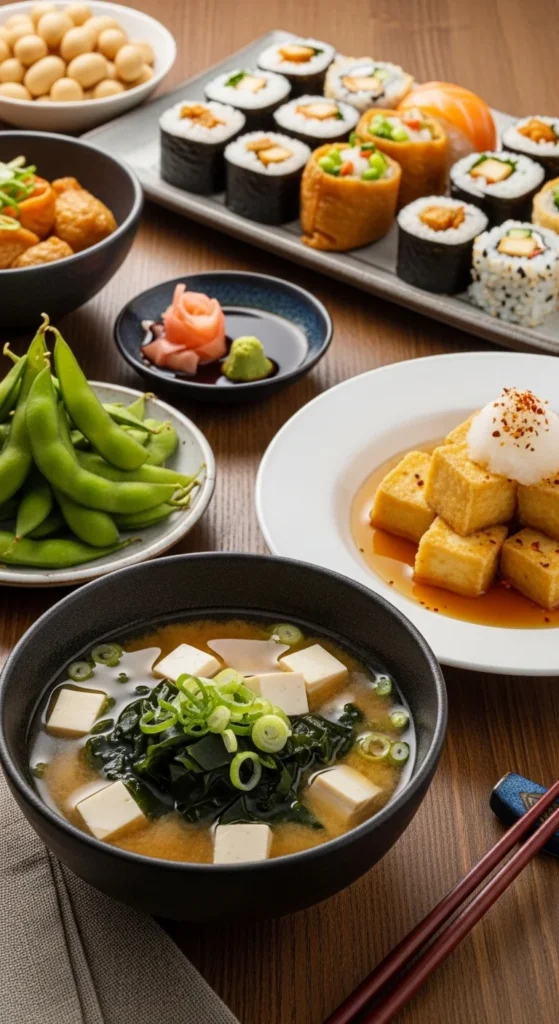
Soy often gets a bad rap, but it’s one of the few complete vegan proteins in a single food. Tofu, tempeh, edamame, and soy milk are all viable, delicious options. FYI, not all soy products are created equal in texture and flavor, so experiment to find your jam.
- Tofu: versatile, quick, and absorptive of whatever seasoning you throw at it.
- Tempeh: nuttier flavor, great sear, holds up in chunky stir-fries.
- Edamame: snackable and protein-packed—hello, protein-packed snacking.
Quinoa and buckwheat: the few that stand alone
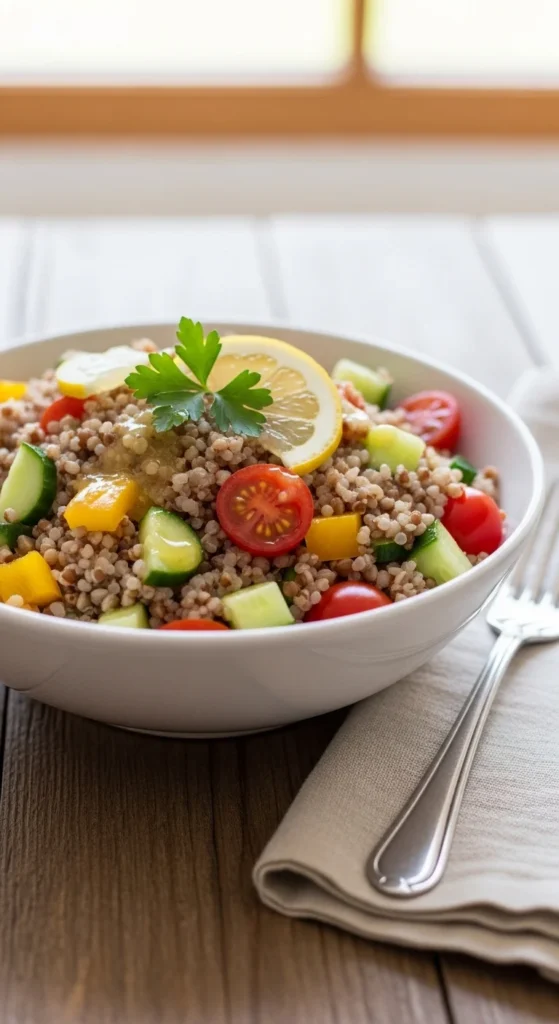
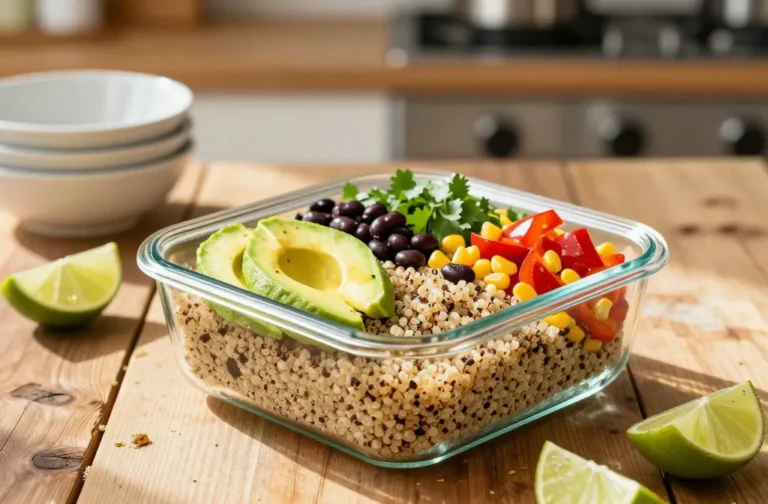
Quinoa is famous for being a complete protein on its own. Buckwheat also makes the cut, despite its name not sounding like a grain. Both cook up fast and mix well with veggies, sauces, and legumes.
- Quinoa: fluffy texture, slightly nutty taste, easy to cook in bulk.
- Buckwheat: great for gluten-free meals, works in warm bowls or cold salads.
Rice and beans (and lentils): the classic duo that keeps delivering
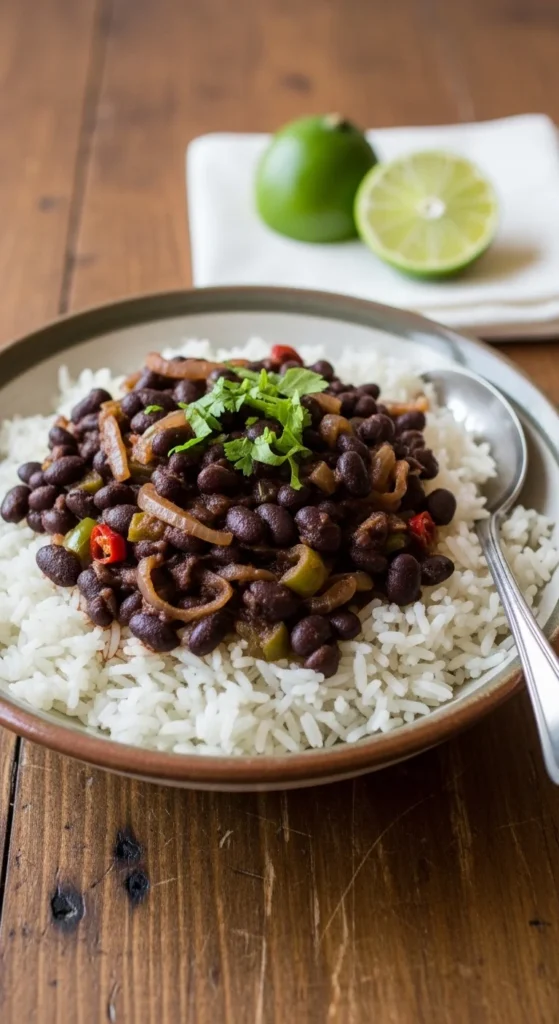
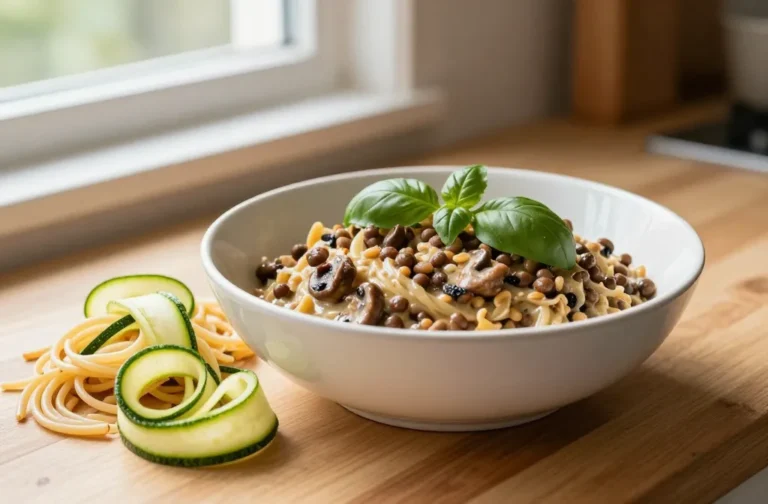
Most vegans rely on combining foods to hit all essential amino acids. Rice and beans are the poster child for a reason: they complement each other perfectly. Lentils also shine, bringing variety in texture and flavor.
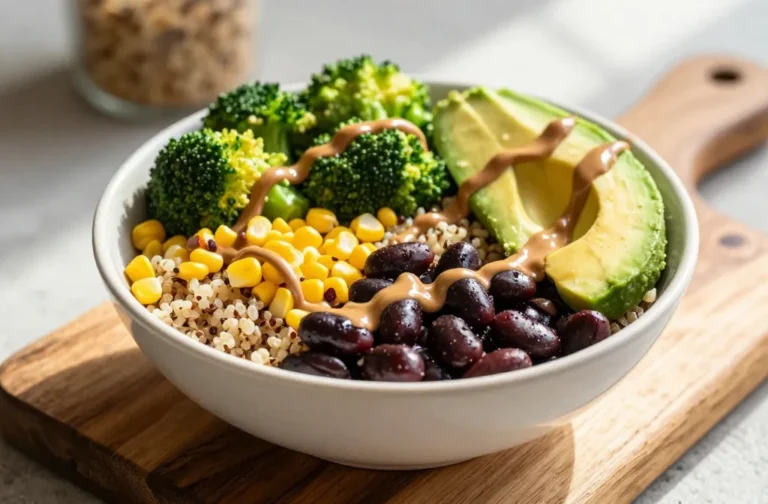
- Rice + beans: a colorfully satisfying staple you’ll make on repeat.
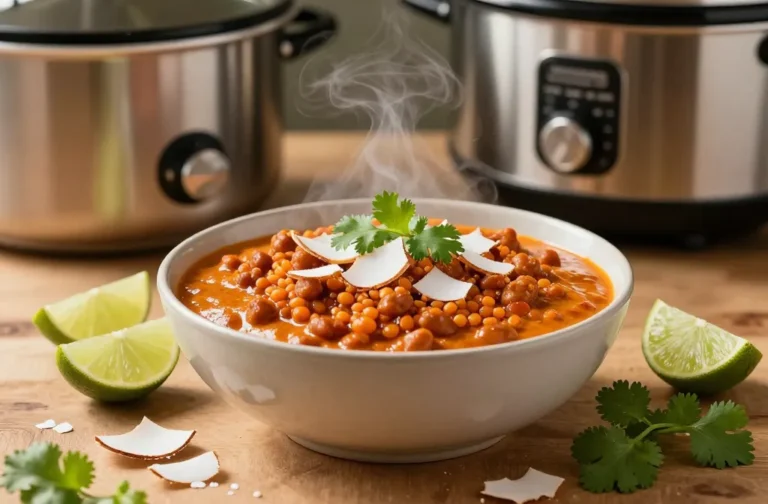
- Lentils: quick-cooking, protein-dense, and super versatile (soups, curries, salads).
Hitting completeness with smart pairings
If you’re not eating quinoa or buckwheat, you can still get complete protein by pairing foods across a day. No need to stuff every meal with two complete proteins. Here are practical combos:
- Rice with beans (or lentils) across the day or in the same meal.
- Peanut butter on whole-wheat bread plus a glass of soy milk for a complete duo.
- Hummus with whole-grain pita plus a quinoa salad—the flavor trio sells itself.
Seitan and grain-based proteins: the textural champs
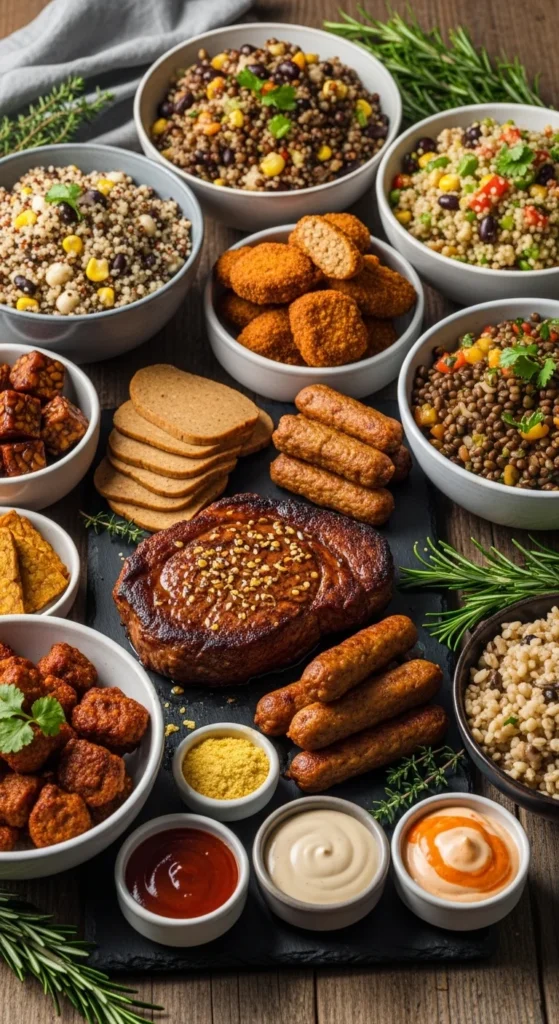
Seitan, made from gluten, isn’t for everyone (gluten sensitivity, I see you). But for those who can tolerate gluten, seitan delivers a meaty bite and a punch of protein. Combine with grains or beans for a fuller amino acid profile.
- Seitan: excellent texture for stir-fries, sandwiches, and “meaty” mains.
- Grain-based proteins: barley, bulgur, farro—these add depth and keep things interesting.
How to keep meals interesting with seitan
– Marinate aggressively. Seitan loves a bold sauce.
– Slice thin for quick pan-searing, or dice for hearty stews.
– Pair with veggies that soak up flavor, not just texture.
Chia, hemp, and flax: the little seeds with big protein punch
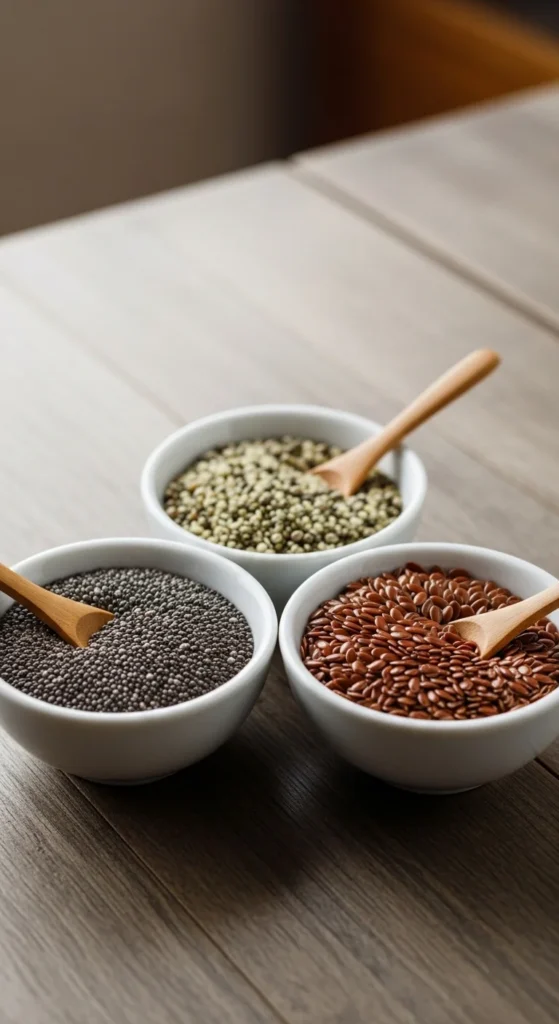
Seeds aren’t “just toppings.” Chia, hemp, and flax bring decent protein along with omega-3s and fiber. They’re perfect for mixing into smoothies, yogurts, or puddings, and they can boost the amino acid variety of a meal.
- Chia: forms a gel in liquid—great for puddings or as an egg substitute in vegan baking.
- Hemp seeds: nutty flavor, solid protein content, easy to sprinkle on everything.
- Flax: ground flax adds texture and a fiber boost; best eaten ground for absorption.
Seaweed and algae: the trace minerals that sneak into protein
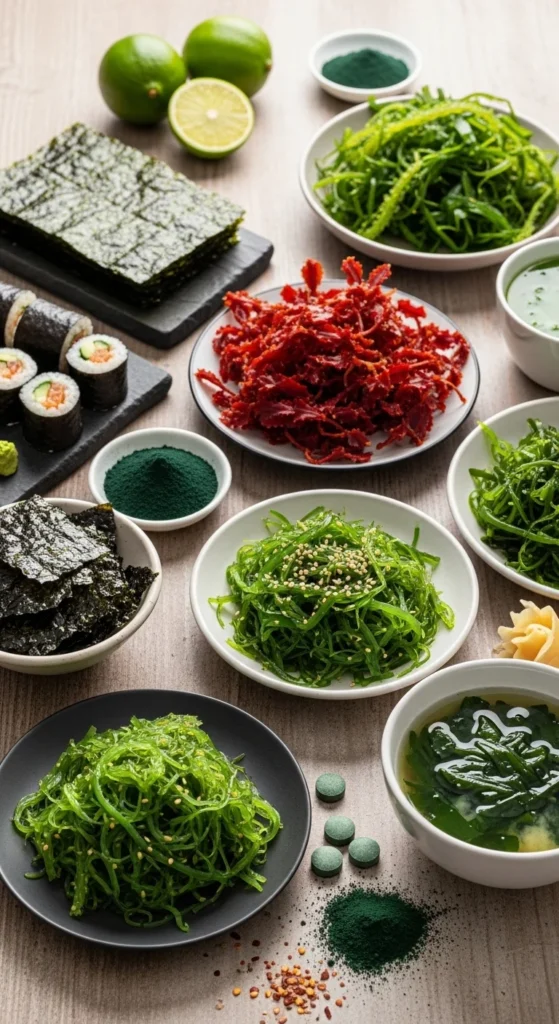
Seaweed and algae aren’t just about iodine and B12 (which is a separate topic for vegan needs); they also contribute to protein intake in smaller amounts. Nori, spirulina, and kombu diversify flavor and nutrition without piling on the carbs.
- Spirulina: a powdered booster you can blend into smoothies for a protein and micronutrient lift.
- Nori and other seaweeds: great in sushi wraps or salads for a salty, briny kick.
Supplements and fortified foods: when they’re helpful
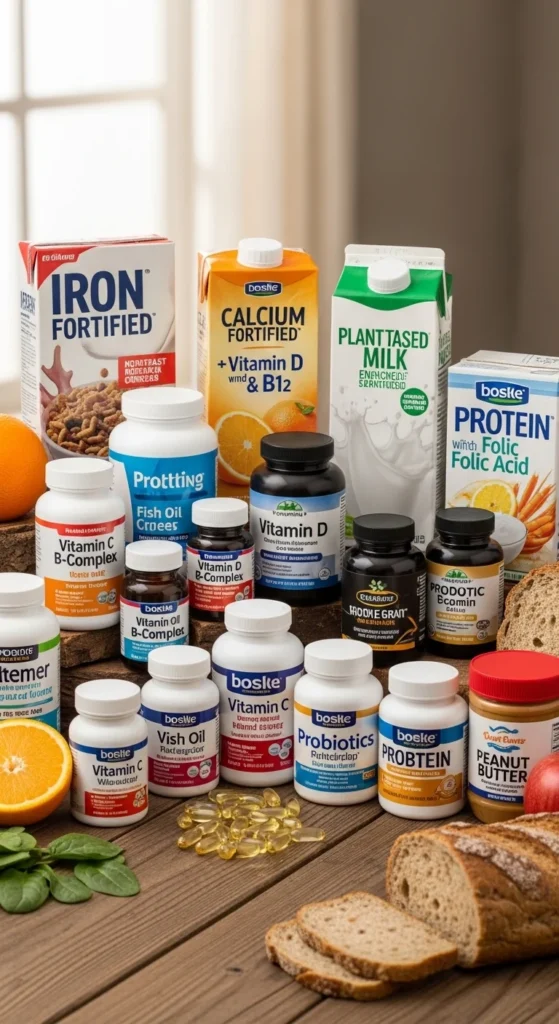
You don’t have to rely on supplements, but they can fill gaps, especially for those with higher protein needs or specific nutrient concerns (like B12, which is hard to get from plants alone). Protein powders from pea, rice, or soy can help you hit daily totals.
- Pea protein: versatile, blends well in smoothies and baked goods.
- Rice protein: gentle on digestion, mixes cleanly into drinks.
- Soy protein: another complete option, useful if you tolerate soy well.
Tips for using vegan protein powders
– Balance flavors: chocolate, vanilla, or unsweetened helps you mix with anything.
– Don’t rely on only powders; foods still win for fullness and nutrients.
– Watch added sugars in flavored blends—keep it smart.
Crafting a complete-protein day without the guesswork
If you’re aiming for complete protein across a day rather than in every single meal, here’s a simple blueprint you can steal:
- Breakfast: quinoa porridge with hemp seeds and berries.
- Lunch: lentil and veggie bowl over brown rice; a side of roasted chickpeas.
- Dinner: tofu or tempeh stir-fry with mixed vegetables and buckwheat noodles.
- Snacks: edamame, a handful of mixed nuts, or a protein shake if you’re into that.
Common myths debunked (so you don’t waste time)
– Myth: All vegan proteins are incomplete. Reality: Most plants are incomplete in a single food, but you can cover all amino acids with smart combos or complete foods like quinoa and soy.
– Myth: You must eat a lot of meat-like substitutes to get enough protein. Reality: Whole food combos and smart choices beat sheer quantity any day.
– Myth: You’ll be hungry all day. Reality: Protein helps satiety; pair it with fiber and fats, and you’ll feel full longer.
Conclusion
Complete vegan protein is not a scavenger hunt; it’s a well-planned picnic.
With a mix of soy products, quinoa, buckwheat, beans and legumes, seeds, and the occasional fortified product or powder, you can cover all your essential amino acids without turning meals into a math problem.
FYI, you don’t have to go all-in on a single source. Diversity keeps meals exciting and your body happy.
FAQ
1. Do I really need to eat complete proteins at every meal?
Yes, you don’t have to in every meal, but over the course of a day, aim to get all nine essential amino acids. If you space out protein sources—say, beans at lunch and quinoa at dinner—you’ll still hit the right profile.
2. Can I get enough protein from just beans and rice?
Absolutely. Beans and rice together form a complete protein and give you a balanced mix of amino acids. Mix up the beans (black beans, chickpeas, lentils) and grains (rice, quinoa, barley) to keep meals interesting.
3. Are soy products safe to eat regularly?
For most people, yes. If you have a soy intolerance or thyroid concerns, consult a clinician. Otherwise, tofu, tempeh, and edamame are reliable protein sources with lots of culinary flexibility.
4. Should I use protein powder?
Not required, but handy if you’re hitting high protein targets or need a quick post-workout option. Choose a blend you enjoy, and pair it with real foods for fullness.
5. How can I tell if I’m getting enough protein?
Track your intake for a week and compare it to your bodyweight goals. If you’re working out regularly or building muscle, you’ll want higher totals. Listen to your body—hunger levels, recovery, and energy messages aren’t lying.
6. Can kids and teens follow a vegan complete protein plan?
They can, with careful planning to ensure all essential nutrients are covered, including calcium, iron, vitamin B12, and omega-3s. A pediatrician or registered dietitian can tailor a plan to growth needs.