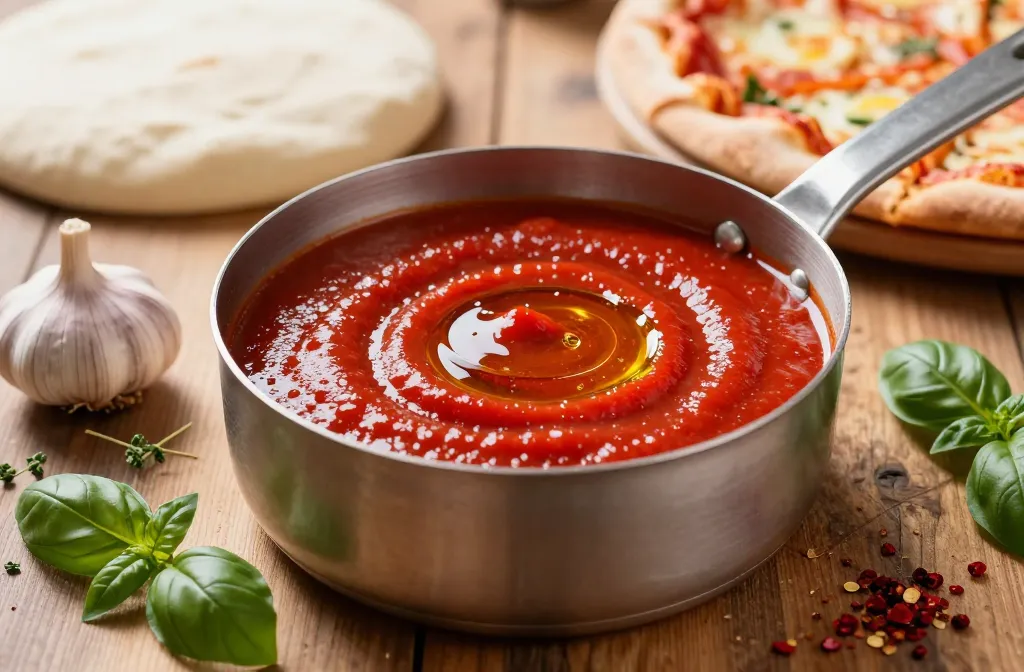
Pizza Sauce That Pops in Every Slice
Pizza sauce done right is all about quick, bright flavor that doesn’t steal the spotlight from your toppings. It should whisper “delicious”, not scream “eat me now.”
Ready to unlock a jar of deliciousness that tastes homemade without the drama?
Let’s dive in. Deliciousness
Pizza Sauce
Ingredients
- 1 can 28 oz crushed tomatoes or tomato sauce
- 2 tablespoons olive oil
- 2 cloves garlic minced
- 1 teaspoon dried oregano
- 1 teaspoon dried basil
- 1/2 teaspoon sugar optional, to balance acidity
- Salt and pepper to taste
- Pinch red pepper flakes optional, for a little kick
Instructions
- Heat olive oil in a small saucepan over medium heat. It should shimmer, not smoke.
- Sauté garlic for 30 seconds until fragrant—don’t let it brown or you’ll taste the kitchen’s self-help book in garlic form.
- Stir in crushed tomatoes, oregano, basil, sugar (if using), salt, pepper, and red pepper flakes. Bring to a gentle simmer.
- Let it simmer 10–15 minutes, stirring occasionally. If it thickens too much, splash in a splash of water or a splash more tomato juice.
- Taste and adjust seasoning. If it tastes flat, a tiny pinch more salt or sugar can make the difference.
- Remove from heat. Use immediately or cool and refrigerate for up to 5 days, or freeze for longer storage.
Why This Recipe is Awesome
The beauty of this sauce is simple: it’s versatile, thick enough to cling to dough, and bright enough to perk up any slice.
It’s idiot-proof; even I didn’t mess it up. No long simmer times, no fancy ingredients required—just big flavor with minimal fuss. If you’ve ever burned popcorn while waiting for tomato magic, fear not: this sauce doesn’t demand patience; it delivers.
Ingredients You’ll Need
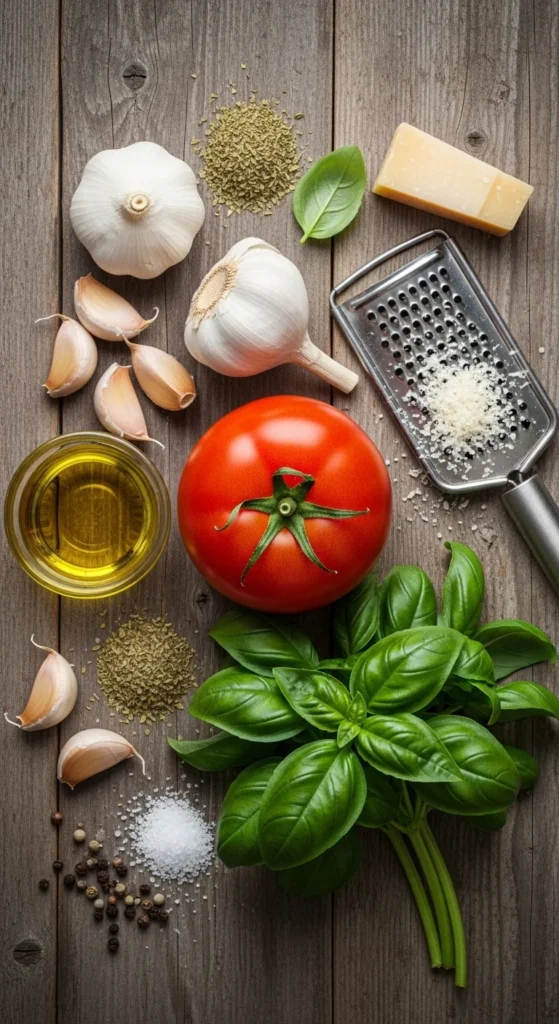
- 1 can (28 oz) crushed tomatoes or tomato sauce
- 2 tablespoons olive oil
- 2 cloves garlic, minced
- 1 teaspoon dried oregano
- 1 teaspoon dried basil
- 1/2 teaspoon sugar (optional, to balance acidity)
- Salt and pepper to taste
- Pinch red pepper flakes (optional, for a little kick)
Step-by-Step Instructions
- Heat olive oil in a small saucepan over medium heat. It should shimmer, not smoke.
- Sauté garlic for 30 seconds until fragrant—don’t let it brown or you’ll taste the kitchen’s self-help book in garlic form.
- Stir in crushed tomatoes, oregano, basil, sugar (if using), salt, pepper, and red pepper flakes. Bring to a gentle simmer.
- Let it simmer 10–15 minutes, stirring occasionally. If it thickens too much, splash in a splash of water or a splash more tomato juice.
- Taste and adjust seasoning. If it tastes flat, a tiny pinch more salt or sugar can make the difference.
- Remove from heat. Use immediately or cool and refrigerate for up to 5 days, or freeze for longer storage.
How to Serve
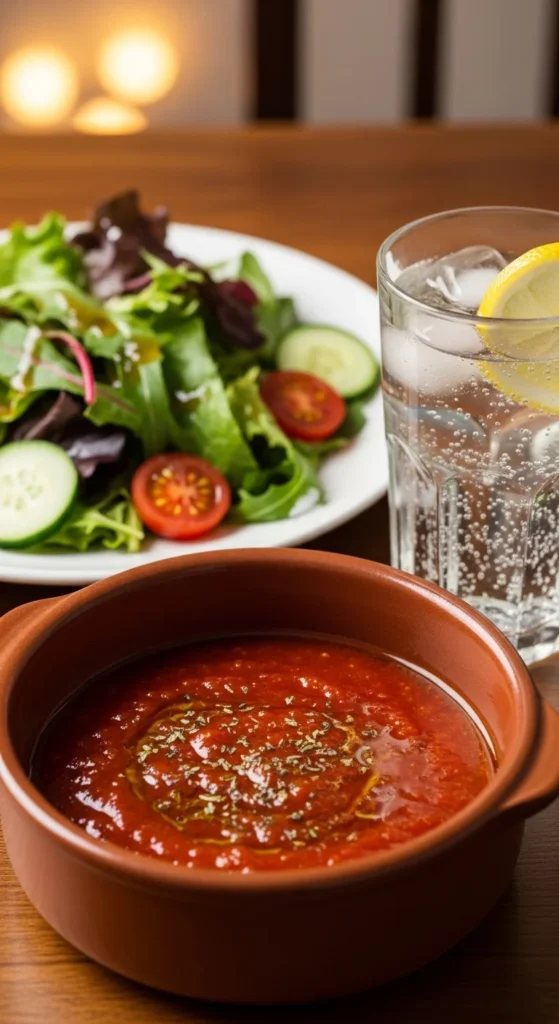
– Spoon a generous ladle onto your dough, leaving a skinny crust for maximal chewiness.
– Top with mozzarella, pepperoni, veggies, or whatever you crave. The sauce loves all comers.
– For presentation, swirl some olive oil on top and a light dusting of fresh basil after baking. It looks fancy, tastes cozy.
– Pair with a crisp green salad and a sparkling drink to keep things balanced. A simple pizza night with friends or a solo movie marathon works great too.
– If you’re serving as a party pie, offer a few topping stations so guests feel like gourmet DJs of their own slices.
Nutrition Facts per Serving
Per serving (approximate, because we live in reality):
– Calories: 40–60
– Carbohydrates: 8–12 g
– Protein: 1–2 g
– Fat: 2–4 g
– Fiber: 2 g (thanks, tomatoes)
– Sugar: 4–6 g (depends on tomatoes and sugar choice)
Notes: Values vary with brands and portion size. This is a light, zippy sauce that holds up well on a slice without turning your crust into a soggy swamp.
Common Mistakes (and How to Avoid Them)
– Thinking you don’t need to preheat the oven—rookie mistake. Preheat the dough’s preferred temp and bake hot for a crisp crust that the sauce can cling to.
– Letting garlic burn. It’s tiny and mighty; 30 seconds is plenty. Burned garlic = bitter reality.
– Over-simmering the sauce. It’s flavorful, fresh-topped magic, not a slow-cook stew. A quick simmer keeps brightness intact.
– Skipping salt. Tomatoes are acidic; a pinch of salt (and maybe a touch of sugar) balances them nicely.
– Using too many herbs. A little goes a long way—let oregano and basil support the tomatoes, not steal the show.
Simple Alternatives or Ingredient Substitutions
– Fresh tomatoes: If you have ripe kiwis… just kidding. Use 4 cups chopped fresh tomatoes and simmer a bit longer to reduce.
– Different herbs: Thyme or rosemary can add a new twist, but stick to one bold herb to avoid confusion.
– Dairy-free option: This sauce is naturally dairy-free, so it pairs perfectly with vegan cheeses.
– Heat level: Skip red pepper flakes for a mild sauce, or add a dash of cayenne if your taste buds are bold.
– Sweetness toggle: If your tomatoes are sweet, skip the sugar. If they’re archly acidic, a touch helps, but go light.
– No olive oil? Use a neutral oil, though olive oil adds a nice depth.
Conclusion
Pizza night without great sauce is like a joke without a punchline—still fine, but not memorable. This pizza sauce is the dependable sidekick that makes every slice sing.
Quick, simple, and adaptable, it sticks to dough like a best friend’s hand on a road trip. Whip up a batch, and your pizzas will thank you.
FAQ
Can I make this sauce ahead of time?
Absolutely. It refrigerates beautifully for up to 5 days or freezes well for longer storage. Just reheat gently before using.
Can I use fresh garlic instead of garlic powder?
Yes. Mince two cloves and sauté them as directed. It adds brightness, just don’t burn them.
How thick should the sauce be?
It should be spoonable and cling to the dough without pooling. If it’s too thick, thin with a bit of water or tomato juice; if too thin, simmer a bit longer.
Is this sauce suitable for vegetarian or vegan diets?
Yes. It’s plant-based and dairy-free, so it’s friendly to vegans and vegetarians alike.
Can I use fresh basil instead of dried?
Fresh basil is great, but add it toward the end of cooking to preserve its brightness. If using dried, add earlier to let the flavors meld.