Korean Beef: Weeknight Sizzle You’Ll Crave
I’ve got a sizzling idea for dinner: Korean Beef. Think quick, glossy, and addictively savory—like a flavor parade in a skillet.
This isn’t a marathon; it’s a victory lap for weeknights. Ready to dive in and have a legit tasty moment without pulling a thousand ingredients from the pantry?
Korean Beef
Ingredients
- 1 pound 450 g ground beef (or turkey if you insist on being fancy about it)
- 2 cloves garlic minced
- 1 tablespoon grated fresh ginger
- 1 small yellow onion finely chopped
- 2 –3 tablespoons soy sauce or tamari for gluten-free
- 1 tablespoon brown sugar or honey
- 1 tablespoon sesame oil
- 1 teaspoon rice vinegar
- 1 teaspoon gochujang Korean chili paste or a pinch of chili flakes
- 1/4 teaspoon black pepper
- Sesame seeds and sliced green onions for garnish
Instructions
- Heat a large skillet over medium-high heat. Add the ground beef and break it up with a spatula. Cook until browned, 4–5 minutes. Drain excess fat if you must, but don’t go full dehydration mode.
- Push the beef to the side. In the same pan, add a splash of oil if needed and sauté the garlic, ginger, and onion until fragrant, about 2 minutes. Smells like a dinner plan arriving on time.
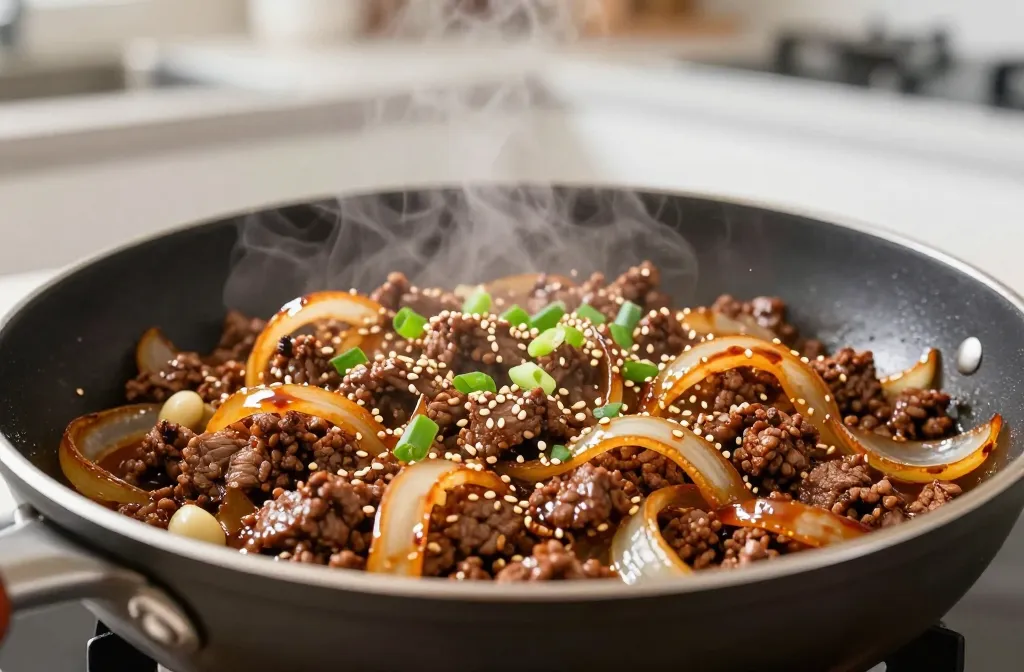
- Stir the beef back in. Add soy sauce, brown sugar, sesame oil, rice vinegar, and gochujang. Mix well to coat every crumb. Cook 2–3 minutes until the sauce thickens a bit and everything sticks together like a team.
- Taste and adjust. If it needs more sweetness, a touch more sugar; if it’s lacking heat, a pinch more gochujang or chili flakes. Quick rinse of the pan and you’re done—okay, not that quick, but close.
- Remove from heat. If you like, garnish with sesame seeds and sliced green onions. Serve hot and watch it disappear.
Why This Recipe is Awesome
This Korean Beef is chef’s kiss simple and insanely flavorful. It basks in that perfect balance of salty, sweet, and a little heat. It cooks fast, packs a punch, and cleans up just as quickly—what’s not to love?
It’s idiot-proof; even I didn’t mess it up. Spoiler: the pan stays mostly clean, and your kitchen smells like a lunchtime legend.
Ingredients You’ll Need
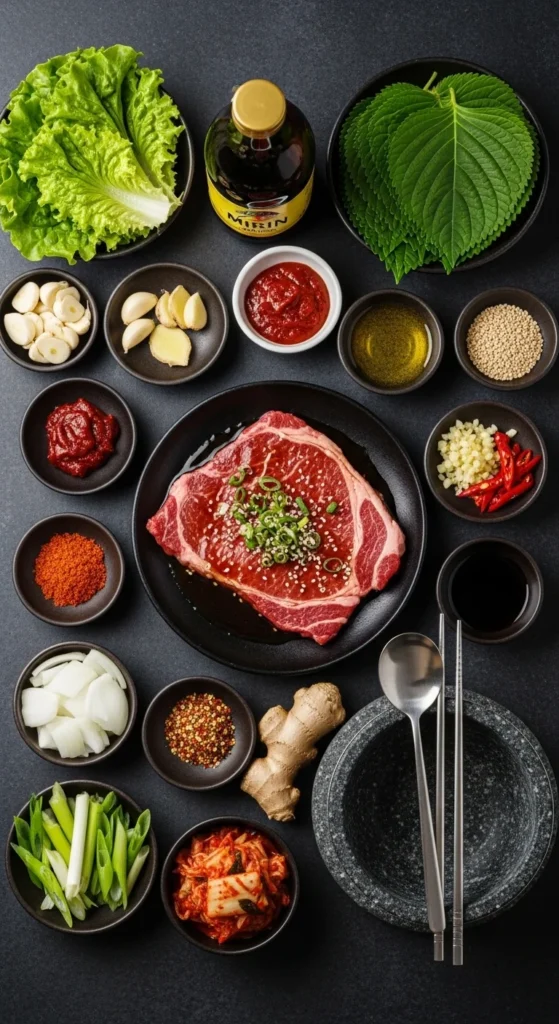
- 1 pound (450 g) ground beef (or turkey if you insist on being fancy about it)
- 2 cloves garlic, minced
- 1 tablespoon grated fresh ginger
- 1 small yellow onion, finely chopped
- 2–3 tablespoons soy sauce (or tamari for gluten-free)
- 1 tablespoon brown sugar or honey
- 1 tablespoon sesame oil
- 1 teaspoon rice vinegar
- 1 teaspoon gochujang (Korean chili paste) or a pinch of chili flakes
- 1/4 teaspoon black pepper
- Sesame seeds and sliced green onions for garnish
Step-by-Step Instructions
- Heat a large skillet over medium-high heat. Add the ground beef and break it up with a spatula. Cook until browned, 4–5 minutes. Drain excess fat if you must, but don’t go full dehydration mode.
- Push the beef to the side. In the same pan, add a splash of oil if needed and sauté the garlic, ginger, and onion until fragrant, about 2 minutes. Smells like a dinner plan arriving on time.
- Stir the beef back in. Add soy sauce, brown sugar, sesame oil, rice vinegar, and gochujang. Mix well to coat every crumb. Cook 2–3 minutes until the sauce thickens a bit and everything sticks together like a team.
- Taste and adjust. If it needs more sweetness, a touch more sugar; if it’s lacking heat, a pinch more gochujang or chili flakes. Quick rinse of the pan and you’re done—okay, not that quick, but close.
- Remove from heat. If you like, garnish with sesame seeds and sliced green onions. Serve hot and watch it disappear.
How to Serve
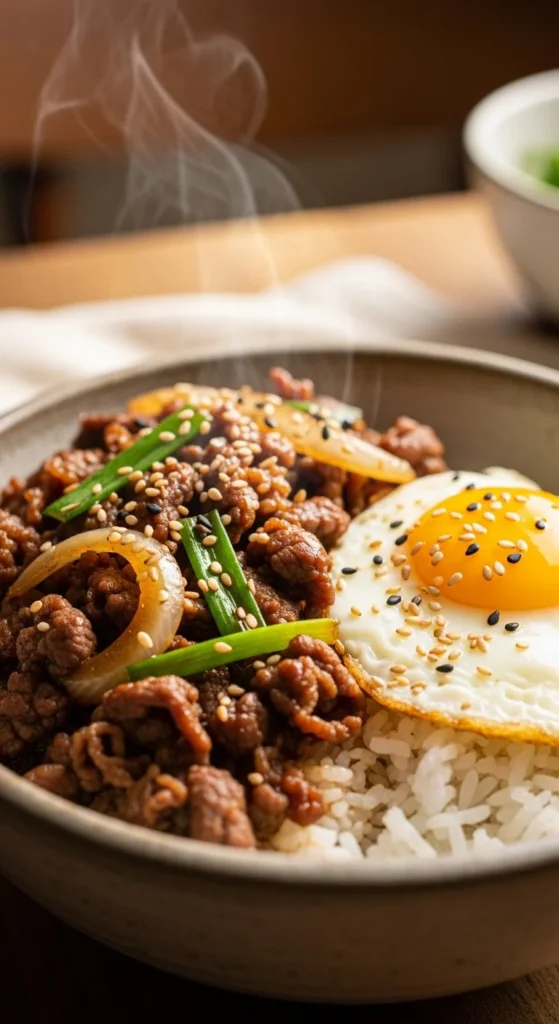
– Serve over steamed white rice for a cozy, comforting vibe. You’ll want a bowl that’s basically a flavor magnet.
– Or go the cauliflower-rice route for a low-carb twist that still makes you feel fancy.
– Add a quick cucumber-ginger salad on the side for a refreshing crunch.
– For a take-it-up-a-notch moment, top with a fried egg or sesame-crusted veggies.
– Presentation idea: ladle into a shallow bowl, nestle a few sesame seeds on top, and finish with chopped green onions like you’re plating for an influencer audience.
– Occasion ideas: weeknight savior, quick date-night dish, or a make-ahead lunch that doesn’t scream “ leftovers.”
Approximate Nutrition Facts per Serving
Per serving (approximate, because we live in reality):
- Calories: ~380–420
- Carbohydrates: ~20 g
- Protein: ~25–28 g
- Fat: ~20–24 g
- Fiber: ~2 g
- Sugar: ~8–12 g
Note: exact numbers depend on portions and whether you go with rice or cauliflower rice. We’re aiming for delicious, not math class.
Common Mistakes
- Overcooking the beef. It should be browned and juicy, not shoe-leather-flavored.
- Skipping the marinade balance. Too much soy or not enough sweetness, and you’re in bland-town.
- Not letting the sauce thicken. Give it a minute or two for the sticky glaze to cling to every piece.
- Using a cold pan and cold ingredients. Preheat, or you’ll end up boiling instead of searing.
Simple Substitutions or Ingredient Alternatives
- Protein swap: ground chicken or turkey works, but you’ll miss a touch of that beefy richness.
- Gochujang substitute: a dash of chili-garlic sauce plus a pinch of cinnamon for warmth. It won’t be exact, but still be tasty.
- Sweetener swap: honey or maple syrup can replace brown sugar, but adjust to taste to avoid an overly sweet glaze.
- Low-sodium option: Use low-sodium soy and add a touch more seasoning at the end.
Conclusion
Quick, flavorful, and satisfying, Korean Beef is the weeknight hero you didn’t know you needed.
It’s easy to customize, forgiving with substitutions, and honestly, a crowd-pleaser. Make it once, and you’ll be tempted to add it to the rotation permanently.
FAQ
Can I freeze leftovers?
Yes. Store in an airtight container for up to 3 months. Reheat gently in a skillet or microwave, and you’ll still get that gloss and bite.
Is this spicy?
Gochujang gives it a mild to moderate kick. If you’re heat-sensitive, cut the gochujang to 1 teaspoon or omit it and add a pinch of red pepper flakes.
What should I serve with this?
Rice is classic, but cauliflower rice, sautéed greens, or a simple cucumber salad all work beautifully. It’s flexible enough to pair with many sides.
Can I use regular soy sauce or tamari?
Totally. Tamari is gluten-free, but regular soy sauce works fine if gluten isn’t a concern for you. Just adjust saltiness accordingly.
How long does it take?
About 20 minutes from start to finish. Faster if you’ve got a well-organized mise en place and a well-heated pan.