Is It Hard to Get Enough Protein on a Vegan Diet? Surprising Truth
You might be surprised how doable it is to get enough protein on a vegan diet. No guilt trips, just real food and real numbers.
Yes, it’s totally possible to meet your protein needs without animal products—and you can do it without turning every meal into a science project.
Is protein intake on a vegan diet really a hurdle, or just a myth?
Let’s cut to the chase. Protein is essential, yes, but you don’t need a perfect scientist’s diet to get enough. Most people eating plant-based foods eat more than enough protein without trying.
The tricky part isn’t “will I have protein?”—it’s “how do I blend different plant foods, so I get all the amino acids and enough total grams?” Think of it as combining flavors, not solving a math puzzle.
How much protein do you actually need?
Protein requirements aren’t a one-size-fits-all badge. They depend on age, activity, and goals. The basics:
- A sedentary adult generally needs about 0.8 grams per kilogram of body weight per day.
- Active folks and athletes often aim for 1.0–1.6 g/kg/day.
- Older adults might benefit from 1.1–1.3 g/kg/day to maintain muscle.
If you’re vegan, you might spread your intake a bit differently, but hitting these targets is very doable with thoughtful meal planning.
FYI, protein requirements don’t suddenly skyrocket just because you avoid meat—your body doesn’t know the difference between lentils and chicken in the grand scheme, it just wants enough protein and essential amino acids.
Complete proteins vs. blending: what you actually need
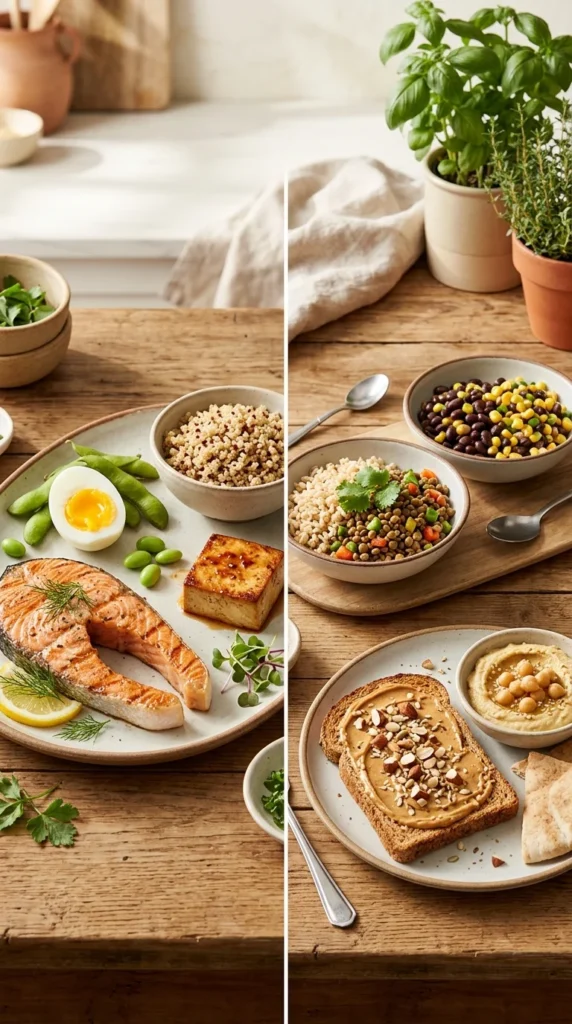
Short version: you don’t need “complete” plant proteins at every meal. Your body can pool amino acids over the day. That means you can mix and match flavors and foods and still get all you need.
Why the myth sticks
People worry about “missing” amino acids like leucine or lysine. The reality: most plant foods have a pretty solid amino acid profile, and a varied day typically covers it.
Even if one meal is a bit low, another meal or snack can fill the gap.
Smart pairing (without overthinking it)
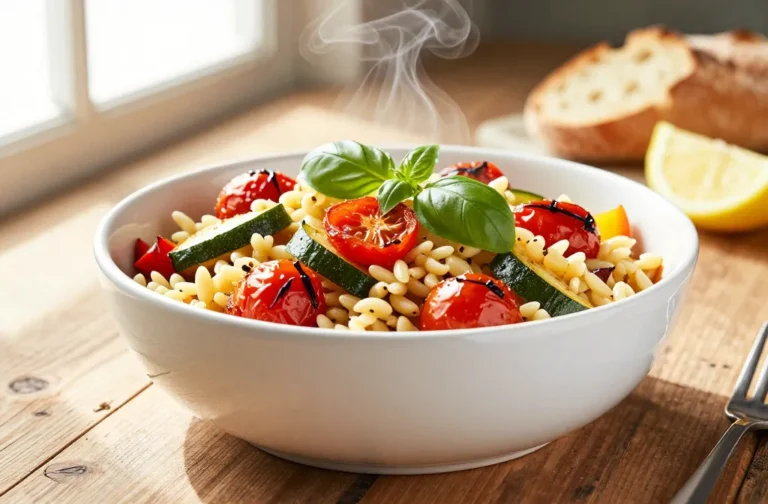
– Think whole grains with legumes (rice and beans, quinoa and lentils)
– Nuts or seeds with greens or grains
– Hummus with whole-wheat pita and veggies
Plus, you can just aim for a total daily protein target and not stress about perfect combos at every single meal.
Top vegan protein sources you can actually enjoy
Food should be enjoyable, not boring science. Here are crowd-pleasers that stack up well.
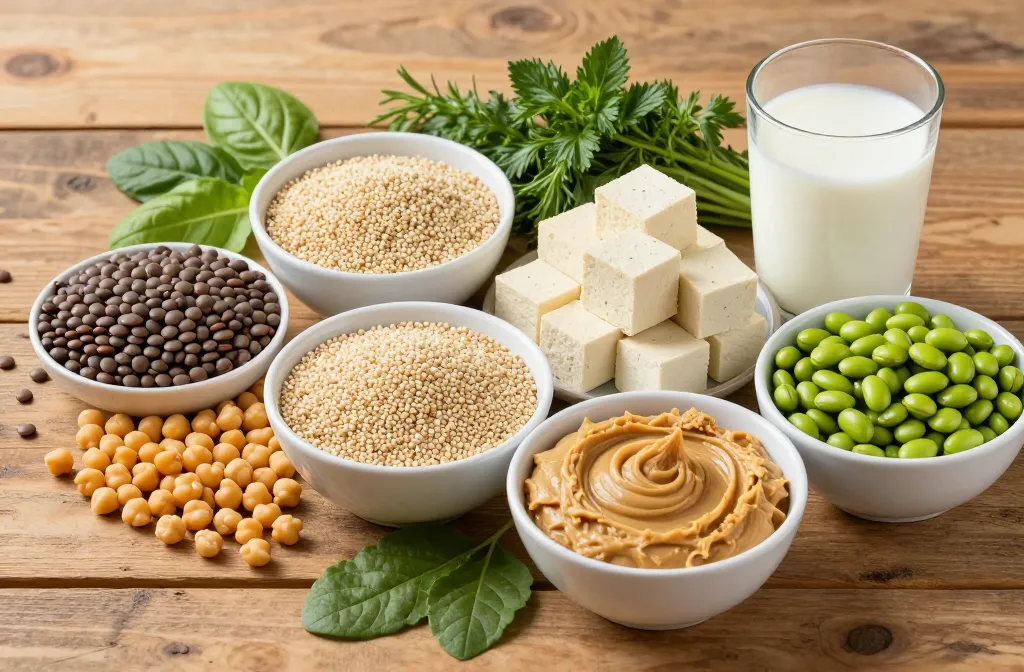
- Legumes: Lentils, chickpeas, black beans. A cup of cooked lentils has about 18 g of protein.
- Whole grains: Quinoa, barley, bulgur. Quinoa clocks in around 8 g per cooked cup and brings complete protein vibes with it.
- Seitan (wheat gluten): A protein-heavy option for bread-y textures; about 25 g per 3 oz serving, but watch gluten sensitivity.
- Tofu and Tempeh: Classic staples. Tofu has ~10 g per 100 g; tempeh often offers 15–20 g per half cup, depending on the brand.
- Edamame: Green soybeans that provide around 17 g per cup. Handy snack or addition to bowls.
- Texturized vegetable protein (TVP): Works well in chili, tacos, and sauces. About 12 g protein per 1/4 cup dry, doubles when hydrated.
- Seasweed and algae: Not protein powerhouses, but can add variety and minerals.
- Nuts, seeds, and nut butters: Great for snacks and shakes, though they’re calorie-dense. Aim for 5–7 g per dose if you’re counting.
Practical meal ideas that hit the marks
You don’t need ritualistic meal prep to stay on track. Here are simple combos.
- Lentil soup with a side of quinoa and a leafy green salad
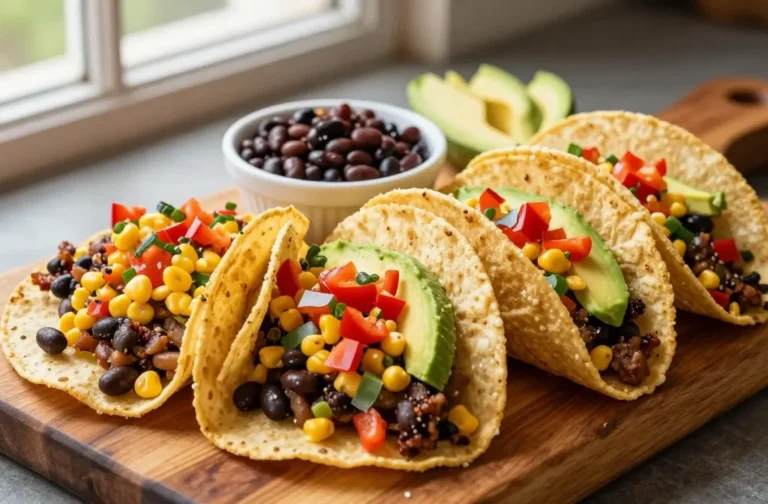
- Chickpea tacos with avocado, salsa, and corn tortillas
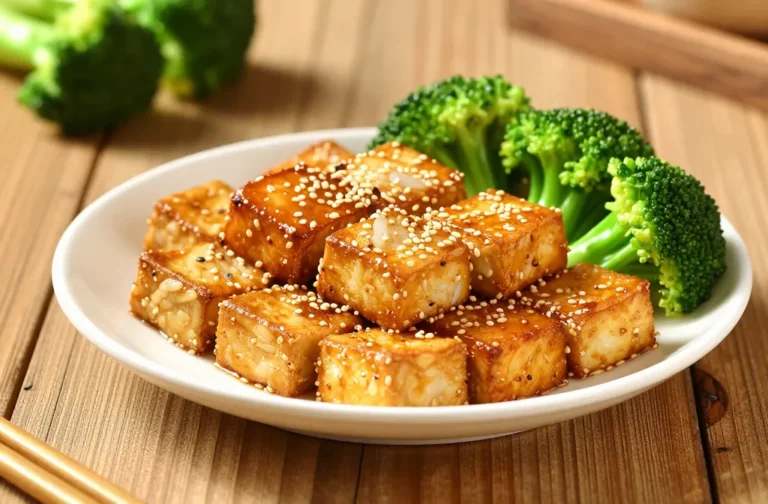
- Stir-fry with tofu, broccoli, and brown rice
- Beans on whole-grain toast with a tahini drizzle
- Oatmeal topped with hemp seeds, chia, and almond butter
How much protein can you realistically get in a day?
Let’s do a quick sketch. If you’re aiming for about 1.2 g/kg/day and you weigh 70 kg, that’s 84 g of protein daily. A sample day could look like:
– Breakfast: Oats with soy milk, chia seeds, and a scoop of peanut butter (roughly 20 g)
– Lunch: Quinoa salad with black beans, veggies, and a tahini dressing (about 25 g)
– Snack: Edamame and a handful of almonds (roughly 12 g)
– Dinner: Tofu and vegetable stir-fry with rice (about 25 g)
Total: around 82–90 g. Spread the love, not the worry.
Common pitfalls (and how to dodge them)
Let’s debunk the usual suspects.
“I can’t get enough protein without eating all day.”
Reality check: You don’t need to snack like a college student. Concentrate on two to three protein-rich meals and a couple of snacks. Most people naturally hit their targets with a bit of planning.
“Fiber overload is inevitable.”
Sometimes increasing protein also increases fiber, which can cause gas if you suddenly switch up. Ramp protein slowly, drink water, and give your gut time to adapt. FYI, fiber is your friend, so don’t fear it.
“I’m vegan, so I’ll miss snacks.”
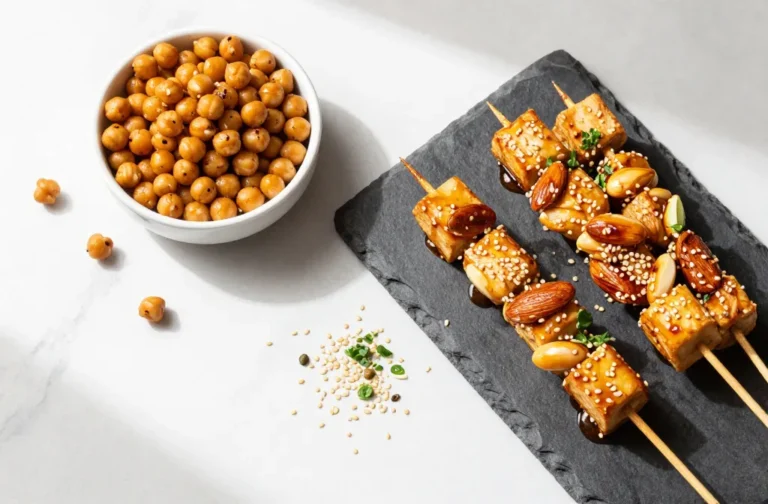
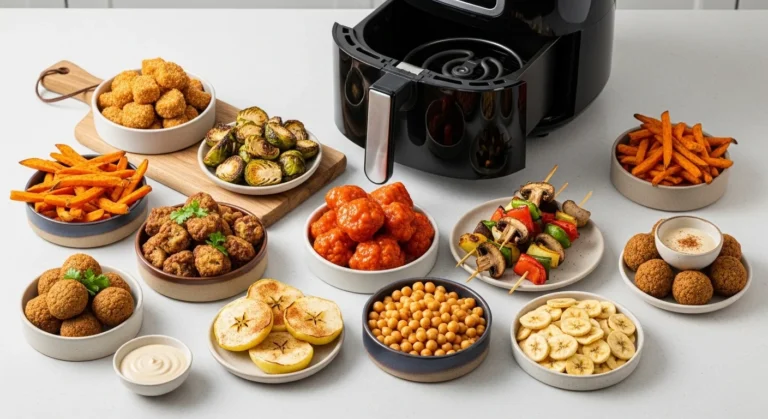
Protein-rich snacks are your friend. Think yogurt (plant-based), protein shakes from pea or soy, roasted chickpeas, or a protein-dark chocolate bar. You don’t have to choose between flavor and function.
Supplements: yay or nay?
Supplements aren’t mandatory, but they can help some people.
- Vitamin B12 is non-negotiable for vegans. Take a supplement or consume fortified foods.
- Vitamin D can be helpful, especially in less sun-rich seasons or regions.
- Creatine and beta-alanine can benefit some athletes, but they aren’t essential for everyone.
- Omega-3s from algae can support heart and brain health if you don’t eat flax or chia daily.
Protein timing and workout goals
If you’re training, timing can help, not hurt.
- Don’t stress about a perfect post-workout protein window. Aim for some protein within a few hours after lifting, if possible.
- Spread protein intake evenly across meals to support muscle protein synthesis.
- Pair protein with carbs around workouts to refuel and repair efficiently.
Digestibility and personal tolerance
Some people notice certain vegan proteins sit heavily in the stomach.
- Rotate sources to avoid gut fatigue—not every day needs the same protein source.
- Soak, sprout, or cook legumes properly to reduce gas and improve digestibility.
- Try more easily digested options like tofu, tempeh, or a high-quality pea protein.
Conclusion: Yes, it’s very doable
The idea that you can’t meet protein needs on a vegan diet is outdated, if not a little dramatic. With a bit of planning and variety, you’ll easily hit targets and enjoy meals that feel satisfying, not punitive.
IMO, the best part is discovering new ingredients and textures—your taste buds win, your muscles win, everyone wins.
Frequently Asked Questions
What is the easiest way to ensure I’m getting enough protein?
Track your daily intake for a week and aim for a target like 1.0–1.2 g/kg if you’re moderately active. Then adjust based on how you feel, your hunger, and your workouts. Don’t obsess over every gram; focus on overall patterns.
Can I get all essential amino acids from plant foods alone?
Yes. While some plant proteins are lower in one amino acid, your daily variety covers all essential amino acids. You don’t need to combine perfect pairs at every meal—just eat a diverse mix over the day.
Do I need to supplement with protein powders?
Not required for most people. They’re convenient for a quick shake or to top up after a workout. If you enjoy them and they fit your goals, use them. If you don’t, you can absolutely meet needs with whole foods.
Are some vegan proteins better for muscle building than others?
Some blends and isolates (like soy, pea, or blends) may be more convenient for meeting protein targets, especially around workouts. Whole foods like tempeh, tofu, and legumes are also excellent and often come with fiber and micronutrients.
What about kids, teens, and pregnancy?
Protein needs are higher in growth stages, but vegan diets can support healthy development with a well-planned approach. Include a variety of protein sources, fortified foods as needed (like B12), and consult a healthcare provider or registered dietitian for personalized guidance.
If I’m not hitting targets, what’s a quick fix?
Add a protein-dense snack or an extra protein source to one meal. For example, add a scoop of beans to a salad, toss in some edamame, or grab a handful of nuts. Simple tweaks beat meal squabbles any day.